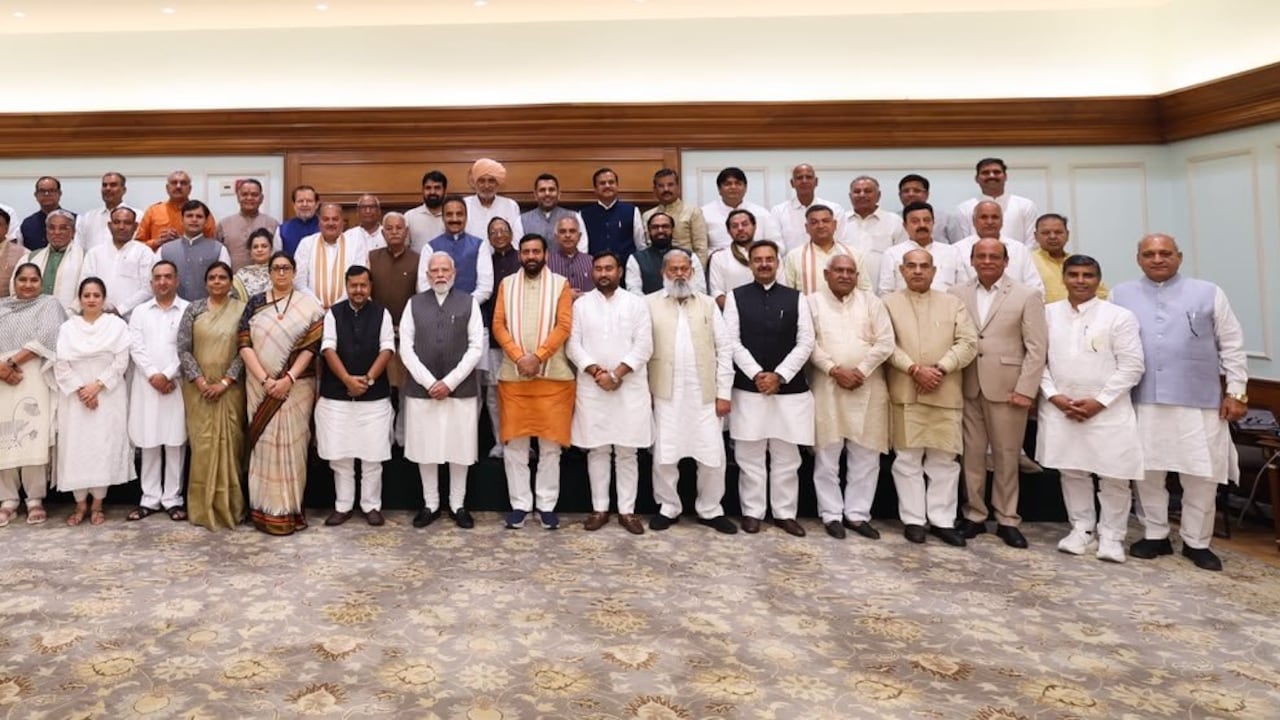
India-Indonesia Ties Rooted in Centuries of Shared Heritage: PM Narendra Modi Addressing Indonesian Parliament, Prime Minister Highlights Deep Cultural Bonds, Strategic Partnership, and Shared Civilizational Values Jakarta: Prime Minister Narendra Modi, during his official visit to Indonesia, addressed the Indonesian Parliament and underscored the centuries-old cultural, spiritual, and historical ties that have connected India and Indonesia. Emphasizing the enduring friendship between the two nations, Modi said the sea has never divided India and Indonesia but has instead served as a bridge linking their civilizations. He noted that the relationship between the two countries is built on mutual trust, shared values, and a rich cultural heritage that continues to shape bilateral cooperation in the modern era. Shared Civilizational Heritage Highlighting the historical foundations of India-Indonesia relations, Prime Minister Modi said that epics such as the Ramayana and Mahabharata, along with the intellectual legacy of Nalanda University, have played a significant role in strengthening the cultural and spiritual bond between the two nations. He remarked that these shared traditions continue to inspire generations and serve as symbols of the deep-rooted friendship between India and Indonesia. Celebrating Cultural Connections The Prime Minister praised Indonesia's rich cultural heritage, pointing to the country's traditional Wayang (shadow puppet theatre) as an enduring artistic expression influenced by shared civilizational values. He also highlighted the world-renowned Borobudur and Prambanan temple complexes as remarkable examples of the historical and cultural links between the two countries. Modi further noted that Indonesia's national emblem, Garuda, and the Bali Yatra celebrations reflect the centuries-old cultural exchanges and maritime connections that have united the peoples of India and Indonesia. Strengthening Strategic Partnership Prime Minister Modi said his discussions with Indonesian President Prabowo Subianto focused on expanding the comprehensive strategic partnership established between the two countries in 2018. He expressed confidence that bilateral cooperation would continue to grow across several key sectors, including: Defence and maritime security Technology and digital innovation Education and academic collaboration Trade and investment Economic development Cultural exchanges According to Modi, both nations remain committed to working together for regional stability, economic prosperity, and a free, open, and inclusive Indo-Pacific region. Looking Ahead The Prime Minister said India and Indonesia are natural partners connected not only by geography but also by shared history, democratic values, and a common vision for the future. He expressed optimism that the renewed momentum in bilateral relations would further strengthen cooperation across strategic, economic, cultural, and people-to-people exchanges, benefiting both nations in the years ahead.

Dreams Cut Short: Andhra Student Killed in Tragic Road Accident in New York Vijayawada Student Atloori Prasanna Dies After Speeding Vehicle Rams Car from Behind; Family in Deep Shock New York/Vijayawada: A promising young student from Andhra Pradesh, who had moved to the United States to pursue higher education and build a brighter future, tragically lost her life in a devastating road accident in New York. The deceased has been identified as Atloori Prasanna, a native of Mulapadu village near Vijayawada in NTR district, Andhra Pradesh. Prasanna had recently traveled to the United States to continue her higher studies with dreams of achieving academic success and supporting her family. Fatal Collision While Returning from Temple Visit According to preliminary reports, the accident occurred on July 5 when Prasanna was travelling with a group of friends to visit a temple in New York. While their vehicle was waiting at a traffic signal, another vehicle reportedly approached from behind at high speed and crashed into their car with tremendous force. The impact was so severe that the rear portion of the vehicle was completely crushed. Prasanna and another young woman travelling in the car sustained critical injuries and were declared dead at the scene despite emergency response efforts. Village Plunged Into Mourning The news of Prasanna's untimely death has left her family and residents of Mulapadu village in deep sorrow. Family members, who had sent her abroad with hopes of seeing her excel in education and build a successful career, are struggling to come to terms with the heartbreaking loss. Relatives, friends, and villagers have been expressing their condolences while remembering Prasanna as a bright, hardworking, and ambitious student whose dreams ended far too soon. Investigation Underway Local law enforcement authorities in New York have registered a case and launched an investigation to determine the exact cause of the accident. Officials are examining the circumstances surrounding the crash, including whether speeding or negligence played a role in the fatal collision. The identity of the second woman who lost her life in the accident has not yet been officially released. Efforts to Repatriate Mortal Remains Members of Telugu community organizations in the United States, along with Prasanna's friends, are coordinating with local authorities and the Indian Consulate to complete the necessary formalities for repatriating her mortal remains to India. The family is expected to receive further updates once legal procedures and documentation are completed.

Former Telangana CM K. Chandrashekar Rao Visits AIG Hospital After Learning About Grandson's Injury Hyderabad: Himanshu Rao, the son of BRS Working President K.T. Rama Rao (KTR) and grandson of former Telangana Chief Minister K. Chandrashekar Rao (KCR), sustained a minor injury during a gym workout on Sunday evening. According to family sources, Himanshu accidentally suffered a minor injury to his nose while exercising at the gym. He was immediately shifted to AIG Hospitals in Hyderabad, where doctors provided the necessary medical treatment. KCR Rushes to Hospital After receiving information about his grandson's injury, KCR traveled from his Erravelli farmhouse to Hyderabad by road and visited AIG Hospitals to inquire about Himanshu's health. The former Chief Minister met his grandson, offered words of encouragement, and interacted with the attending doctors to understand his medical condition and the treatment being administered. KCR's visit also drew the attention of party workers and supporters, many of whom gathered outside the hospital after learning of his arrival. KTR Monitoring Son's Health Since learning about the incident, KTR has remained at the hospital, closely monitoring his son's condition and staying in constant touch with the medical team. Senior BRS leader and former minister T. Harish Rao also visited the hospital and has been with the family since Sunday night, extending his support during the treatment. Doctors Say Condition Is Stable Doctors treating Himanshu have reportedly confirmed that the injury is minor and that his condition is stable. Family members have also reassured well-wishers that there is no cause for concern and that he is recovering well under medical supervision. The incident has prompted an outpouring of wishes from BRS leaders, party workers, and supporters, who have expressed hope for Himanshu's speedy recovery.

'Pushpa 2' Stampede Case: Allu Arjun Appears Before Court Virtually, Hearing Adjourned to July 29 Actor Joins Proceedings Through Video Conference as Nampally Criminal Court Defers Hearing in Sandhya Theatre Stampede Case Hyderabad: Tollywood actor Allu Arjun appeared before the Nampally Criminal Court on Monday in connection with the Sandhya Theatre stampede case, which occurred during the premiere screening of Pushpa 2: The Rule in Hyderabad. As the actor is currently in Mumbai for a film shoot, he attended the court proceedings through video conferencing (virtual appearance) after obtaining prior permission from the court. However, the hearing could not proceed in full as some of the other accused persons failed to appear before the court. Consequently, the judge adjourned the matter and scheduled the next hearing for July 29. Background of the Case The incident took place on December 4, 2024, during the special premiere show of Pushpa 2: The Rule at Sandhya Theatre, located at RTC Cross Roads in Hyderabad. A large crowd gathered outside the theatre to catch a glimpse of the actor, leading to a stampede in which 35-year-old Revathi lost her life. Her young son, Sritej, sustained serious injuries and underwent prolonged medical treatment. The tragic incident sparked widespread public concern over crowd management and safety arrangements during high-profile film events. 500-Page Charge Sheet Filed Following a detailed investigation, the Chikkadpally Police filed a 500-page charge sheet, citing alleged lapses in crowd control and security arrangements during the event. According to the charge sheet, the investigation pointed to deficiencies in safety planning and coordination among those involved in organizing the premiere. 23 Individuals Named as Accused The police have named 23 individuals as accused in the case, including members of the theatre management and personnel associated with the actor's private security team. Allu Arjun has been listed as Accused No. 11 (A11) in the charge sheet. The court is expected to continue hearing the matter during the next scheduled hearing on July 29, when the remaining accused are also expected to appear.

Rice Nursery Pest Management: Common Insects That Damage Rice Seedlings and Effective Control Measures Protect Your Rice Nursery from Early-Stage Pest Attacks to Achieve Healthy Seedlings and Higher Yields By Agriculture Research Station, Vizianagaram Rice is one of the most important staple food crops cultivated across India. However, rice seedlings are vulnerable to several insect pests from the nursery stage itself. If these pests are not identified and controlled at the right time, they can significantly reduce plant vigor, affect crop establishment, and ultimately lower grain yields. Agricultural scientists advise farmers to regularly monitor rice nurseries for pest infestation and adopt timely integrated pest management (IPM) practices to ensure healthy seedlings and successful transplantation. Major Pests Affecting Rice Nurseries The most common insect pests that attack rice nurseries include: Stem Borers Rice Hispa Rice Gall Midge Rice Leaf Folder Cutworms Each of these pests causes distinct symptoms and requires specific management practices. 1. Stem Borer Identification Adult stem borer moths are yellowish in color with a characteristic black spot on their forewings. Female moths lay egg masses near the tips of rice leaves and cover them with brown hairs for protection. Damage Symptoms After hatching, larvae bore into the stem and feed internally on plant tissues. Common symptoms include: Drying of the central shoot ("Dead Heart") Yellowing and drying of leaves Weak seedling growth Reduced tillering Poor crop establishment after transplanting If infestation begins in the nursery and is left unmanaged, the pest can spread rapidly to the main field. Management Clip the tips of rice seedlings before transplanting to remove egg masses. Monitor nurseries regularly for egg masses. Recommended insecticide sprays (per litre of water): Acephate – 1.5 g Cartap Hydrochloride – 2 g Chlorantraniliprole – 0.3 ml Alternatively, apply Carbofuran 3G granules @ 160 g per cent of nursery about one week before uprooting seedlings after providing light irrigation. 2. Rice Hispa Identification Rice Hispa adults are shiny black beetles with spiny bodies. Damage Symptoms Both adults and larvae feed on leaf tissues. Adults scrape green tissues between leaf veins. Larvae tunnel inside leaves. White streaks appear on affected leaves. Severe infestation causes drying of leaves, making the nursery appear scorched. The pest also survives on grassy weeds growing along field bunds. Management Remove weeds around field bunds. Maintain clean nursery surroundings. Recommended insecticide sprays (per litre of water): Chlorpyrifos – 2.5 ml Monocrotophos – 1.6 ml Profenofos – 2 ml 3. Rice Gall Midge Identification The adult resembles a tiny reddish mosquito. Damage Symptoms Female insects lay eggs on leaf sheaths. After hatching, larvae feed on the growing point and inject substances that prevent normal leaf development. Affected seedlings produce a hollow tubular structure resembling an onion leaf, commonly called a "Silver Shoot." Management If even one affected tiller is noticed per square metre, immediate control measures should be taken. Apply: Carbofuran 3G granules @ 160 g per cent of nursery. Early detection is critical to prevent heavy crop losses. 4. Rice Leaf Folder Identification Both larvae and adults damage rice leaves by feeding on plant sap and tissues. Damage Symptoms Leaf margins roll inward. Leaves curl and dry. Photosynthesis decreases. Seedling growth is affected. Infestation becomes more severe under drought or moisture-stress conditions. Management Recommended insecticide sprays (per litre of water): Monocrotophos – 1.6 ml Fipronil – 2 ml 5. Cutworms Identification Cutworms remain hidden near the base of seedlings during the day and become active at night. Damage Symptoms They cut young seedlings near the ground level. Affected nurseries appear as though livestock have grazed the crop. Management Flood the nursery with water to force larvae to the surface. Birds naturally feed on exposed larvae and help reduce pest populations. Recommended insecticide sprays (per litre of water): Monocrotophos – 1.6 ml Chlorpyrifos – 2 ml General Pest Management Tips for Rice Nurseries Agricultural experts recommend the following practices: Inspect nurseries regularly for early signs of pest infestation. Remove grassy weeds from field bunds. Avoid excessive nitrogen fertilizer during nursery growth. Maintain proper water management. Use healthy seeds and resistant varieties whenever available. Follow Integrated Pest Management (IPM) practices. Apply pesticides only after confirming pest infestation and strictly follow label recommendations. Wear appropriate protective equipment while handling pesticides. Expert Advice Healthy seedlings are the foundation of a successful rice crop. Most nursery pests can be effectively managed through early monitoring, proper field sanitation, timely cultural practices, and need-based plant protection measures. Farmers are encouraged to seek guidance from local agricultural extension officers before applying pesticides and to follow the latest recommendations issued by their respective State Agricultural Universities or Agriculture Departments. Source This technical information has been prepared by scientists from the Agricultural Research Station, Vizianagaram. Contributing Scientists: Dr. M. Swathi – Scientist (Entomology) Dr. T. S. S. K. Patro – Principal Scientist (Plant Pathology) Dr. N. Anuradha – Senior Scientist (Plant Breeding) Dr. U. Triveni – Scientist (Agronomy) Dr. K. Tejeswara Rao – Principal Scientist (Agronomy) Dr. M. Divya – Research Associate (Plant Pathology) M. Triveni – Research Associate (Plant Breeding) Agricultural Research Station, Vizianagaram Contact: +91 94930 84826 Disclaimer This article is intended for educational and informational purposes only. Farmers should consult their nearest agricultural extension officer or qualified crop protection specialist before using any pesticide. Always follow the manufacturer's label instructions, recommended dosage, safety precautions, and applicable government regulations.

What Is Astrology? Why Do Millions of People Consult Horoscopes? Does It Really Help? Here's What Tradition, Belief, and Science Say From Marriage and Career to Business and Foreign Travel: Why Astrology Continues to Influence Major Life Decisions New Delhi: Despite the rapid advancement of the digital age, interest in astrology continues to thrive across the world. Even as artificial intelligence (AI), data analytics, space exploration, and modern science continue to reshape society, millions of people still consult horoscopes, birth charts, planetary positions, zodiac signs, lunar transits, and auspicious timings before making important life decisions. In India, astrology is not merely viewed as a belief system but also as an integral part of cultural heritage, religious traditions, and family customs. From arranging marriages and naming newborns to starting businesses, purchasing property, pursuing higher education, or planning foreign travel, many people seek astrological guidance before taking major steps in life. But what exactly is astrology? Why do so many people believe in it? What benefits do its followers claim it offers? And what does the scientific community say about astrology? Here's a detailed analysis. What Is Astrology? Astrology is a traditional system that studies the positions and movements of celestial bodies—including the Sun, Moon, planets, and stars—at the exact time and place of a person's birth. Astrologers interpret these celestial positions to analyze personality traits, life patterns, strengths, weaknesses, opportunities, challenges, and favorable or unfavorable periods. Indian astrology, commonly known as Vedic Astrology (Jyotish Shastra), is one of the six traditional disciplines associated with the Vedas. Similar astrological systems also exist across the world, including Western Astrology, Chinese Astrology, Mayan Astrology, and several regional traditions. For thousands of years, astrology has played an important role in many civilizations, serving as both a cultural tradition and a spiritual practice. Why Do People Consult Horoscopes? Life is inherently uncertain, and people naturally seek guidance when making important decisions. Many individuals believe astrology provides insights that help them understand potential opportunities and challenges. Some of the most common reasons people consult astrologers include: 1. Marriage Compatibility One of the most common uses of astrology in India is horoscope matching before marriage. Astrologers may compare: Compatibility between partners Emotional harmony Family life Longevity of marriage Manglik (Mangal Dosha) considerations Planetary compatibility Many families consider horoscope matching as an important cultural tradition before finalizing marriage proposals. 2. Career and Employment People often seek astrological guidance regarding: Job opportunities Promotions Career changes Government examinations Competitive exams Overseas employment Professional growth Astrologers may analyze planetary periods believed to influence career development and suggest favorable timings for important career decisions. 3. Business and Investments Entrepreneurs frequently consult astrology before: Launching a company Registering a business Opening shops or offices Signing partnership agreements Making major investments Expanding existing businesses Many believe that choosing an auspicious time (Muhurta) increases the likelihood of success. 4. Home Construction and Property Purchases Astrology is also widely consulted during: Purchasing land Buying a house House construction Housewarming ceremonies Office inaugurations Many families choose dates and timings considered favorable according to traditional astrological practices. 5. Education Students and parents sometimes seek astrological advice regarding: School admissions Higher education Study abroad opportunities Competitive examinations Career selection Academic performance Some believe planetary positions may indicate periods favorable for learning and educational success. 6. Health Certain individuals consult astrologers regarding health-related concerns. However, medical experts consistently advise that health conditions should always be diagnosed and treated by qualified healthcare professionals. Astrology should never replace medical evaluation, diagnosis, or treatment. Benefits Commonly Associated with Astrology People who believe in astrology often say it provides several practical and emotional benefits. According to astrology practitioners and believers, astrology may help individuals: Gain guidance during important life decisions Better understand their strengths and weaknesses Plan important events during favorable periods Improve confidence and optimism Develop greater self-awareness Preserve family traditions Find emotional reassurance during uncertain times Reflect on personal goals and future planning Supporters generally view astrology as a guidance tool rather than a guarantee of future events. Understanding the Birth Chart (Janma Kundali) One of the most important concepts in Vedic Astrology is the Birth Chart, also called the Janma Kundali. A birth chart is prepared using: Date of birth Exact time of birth Place of birth Using these details, astrologers determine: Ascendant (Lagna) Zodiac sign (Rashi) Moon sign Nakshatra (Birth Star) Planetary positions Houses (Bhavas) Planetary periods (Dashas) Astrologers believe these factors together provide a detailed picture of an individual's life. The Importance of the 27 Nakshatras Unlike many Western astrological systems that primarily focus on zodiac signs, Vedic Astrology places great importance on the 27 Nakshatras (Lunar Constellations). Each Nakshatra is believed to possess unique characteristics and symbolic meanings. According to traditional astrology, the birth Nakshatra may influence: Personality Communication style Emotional nature Career interests Relationships Spiritual inclination Astrologers emphasize that no single Nakshatra alone determines a person's destiny; rather, it is interpreted alongside the complete birth chart. Astrology and Auspicious Timings (Muhurta) Choosing an auspicious time, known as Muhurta, remains one of the most widely followed astrological practices. People often seek favorable timings for: Weddings Housewarming ceremonies Business inaugurations Vehicle purchases Property registration Religious ceremonies Travel Naming ceremonies Many believe beginning important activities during favorable planetary combinations brings positive outcomes. Astrology and Scientific Perspective The scientific community generally does not regard astrology as an evidence-based scientific discipline. According to many scientists and researchers: There is currently no universally accepted scientific evidence demonstrating that planetary positions at birth can accurately predict an individual's personality or future. Controlled scientific studies have not consistently validated astrological predictions. Astrology's claims remain subjects of debate rather than scientific consensus. However, scholars also recognize astrology's significance as a cultural, historical, and religious tradition practiced by millions worldwide. Astrology vs. Astronomy Astrology and astronomy are often confused, but they are fundamentally different. Astronomy Astronomy is a scientific discipline that studies: Stars Planets Galaxies Black holes Space exploration Cosmology It relies on observation, mathematics, and experimental evidence. Astrology Astrology is a traditional belief system that interprets the symbolic relationship between celestial bodies and human life. While astronomy is universally recognized as a science, astrology is generally classified as a cultural or traditional practice rather than an established scientific field. Why Does Astrology Remain Popular? Several factors contribute to astrology's continuing popularity: Ancient cultural traditions Religious beliefs Family customs Curiosity about the future Emotional reassurance Psychological comfort Social media influence Television programs Mobile applications Online horoscope services Easy access to digital astrology platforms The internet has significantly expanded astrology's reach through websites, smartphone apps, AI-powered horoscope services, and online consultations. What Do Experts Say? Sociologists suggest that during periods of uncertainty, people naturally seek guidance from various sources, including religion, spirituality, counseling, and astrology. Many psychologists also note that structured guidance—even when based on personal beliefs—may provide emotional reassurance for some individuals. At the same time, experts advise that important decisions regarding health, education, employment, investments, legal matters, and financial planning should always be based on verified information and professional advice from qualified experts. Conclusion Astrology has remained an important part of Indian civilization and many other cultures for thousands of years. For some, it represents faith; for others, it serves as a traditional guide or a cultural practice passed down through generations. Supporters believe astrology offers insight into life's opportunities and challenges, while the scientific community maintains that its predictive claims have not been conclusively established through scientific evidence. Ultimately, astrology continues to occupy a unique place where tradition, personal belief, culture, and curiosity intersect. Individuals are encouraged to respect differing viewpoints and rely on informed judgment and qualified professional advice when making significant life decisions. Disclaimer This article is intended solely for informational and educational purposes. It presents commonly held beliefs, traditional practices, and scientific perspectives regarding astrology in a balanced and neutral manner. The content should not be interpreted as scientific proof or personalized astrological advice. Readers are encouraged to consult qualified professionals for decisions related to health, finance, education, legal matters, or other important aspects of life.


Low Water, High Profits: Top Crops Farmers Can Grow in Water-Scarce Areas Across India Water Shortage No Longer Means Low Income: Experts Recommend Climate-Resilient Crops for Better Returns New Delhi: Water scarcity has emerged as one of the biggest challenges facing Indian agriculture. With irregular monsoons, declining groundwater levels, rising temperatures, and increasing climate variability, farmers across several states are being encouraged to shift from water-intensive crops to drought-tolerant and climate-resilient alternatives. Agricultural experts believe that choosing the right crop based on water availability and soil type can help farmers reduce production costs while maintaining stable yields. Traditionally, crops such as paddy and sugarcane require significant amounts of irrigation. However, in areas where water availability is limited, these crops often become economically risky. Experts recommend adopting crops that require less water, mature quickly, and are capable of withstanding dry weather conditions. Why Water-Efficient Crops Are Becoming Essential Climate experts warn that rainfall patterns are becoming increasingly unpredictable. Delayed monsoons and prolonged dry spells have affected sowing in many parts of the country, prompting governments and agricultural departments to encourage farmers to diversify toward water-efficient farming systems. Low-water crops offer several advantages: Lower irrigation costs Reduced dependence on groundwater Better drought tolerance Lower cultivation expenses Stable yields during erratic rainfall Improved soil sustainability Best Crops for Low-Water Farming 1. Millets Millets are among the most drought-resistant crops and are gaining popularity due to increasing consumer demand for healthy foods. Popular varieties include: Pearl Millet (Bajra) Sorghum (Jowar) Finger Millet (Ragi) Foxtail Millet Little Millet Barnyard Millet These crops require substantially less water than rice and perform well under rain-fed conditions. 2. Pulses Pulse crops consume relatively less water while improving soil fertility through nitrogen fixation. Recommended pulses include: Red Gram (Pigeon Pea) Green Gram (Moong) Black Gram (Urad) Chickpea Cowpea Horse Gram Apart from offering good market prices, pulses also enhance soil health for future crops. 3. Oilseed Crops Oilseeds remain a profitable option in dryland farming. Suitable crops include: Groundnut Sesame Sunflower Castor Safflower Many of these crops require moderate irrigation only during critical growth stages. 4. Horticulture Crops With drip irrigation, several fruit crops can provide long-term income. Popular choices include: Pomegranate Guava Custard Apple Indian Gooseberry (Amla) Drumstick (Moringa) Several state governments have also promoted drumstick cultivation in drought-prone regions because of its low water requirement and export potential. 5. Medicinal and Aromatic Crops Farmers seeking diversification may consider: Aloe Vera Ashwagandha Lemongrass Vetiver Senna These crops generally require less irrigation and have growing demand from pharmaceutical and cosmetic industries. Crop Selection Based on Soil Type Sandy Soil Suitable crops include: Groundnut Sesame Watermelon Muskmelon Guava Cashew Black Cotton Soil Recommended crops: Cotton Pigeon Pea Sorghum Chickpea Sunflower Red Soil Suitable options include: Groundnut Millets Pulses Mango Guava Drumstick Choosing crops according to soil characteristics significantly improves productivity and reduces cultivation risks. Modern Water-Saving Techniques Agricultural scientists recommend integrating crop selection with efficient water management. Key practices include: Drip irrigation Mulching Rainwater harvesting Soil moisture conservation Organic matter incorporation Micro-irrigation systems Scientific nutrient management These techniques can substantially reduce water consumption while maintaining crop productivity. Climate Change Driving New Farming Practices Experts note that climate change is making traditional farming methods increasingly difficult. Several states have already started promoting drought-resistant crops, natural farming, and water-efficient cultivation practices to improve farmers' resilience against uncertain rainfall. Experts' Advice Agricultural experts recommend that farmers should not choose crops solely based on market prices. Instead, they should consider: Annual rainfall Groundwater availability Soil type Local climate Market demand Production cost Water availability throughout the season A scientific crop selection strategy can significantly improve profitability while reducing cultivation risks. Conclusion Water scarcity is expected to remain one of the biggest agricultural challenges in the coming years. However, adopting climate-resilient crops, efficient irrigation methods, and scientific farming practices can help farmers sustain productivity and increase profitability. As climate conditions continue to evolve, experts believe that water-efficient agriculture will play a crucial role in ensuring food security and long-term farm sustainability across India. Disclaimer This article is intended for informational purposes only. Crop suitability may vary depending on local climate, soil characteristics, water availability, and market conditions. Farmers are advised to consult their nearest agricultural extension office or qualified agriculture experts before making cultivation decisions.

Hyderabad: The Forest College and Research Institute (FCRI), Mulugu, Siddipet district, has started the application process for admissions into the B.Sc (Hons) Forestry programme for the 2026–27 academic year. College Dean Praveen announced that applications will be accepted from July 1 to July 25. Students who have qualified in TG EAPCET 2026 and passed Intermediate or its equivalent with BiPC, MBiPC, or MPC streams are eligible to apply for the four-year undergraduate programme. The B.Sc (Hons) Forestry course offers comprehensive academic and practical training in areas such as forest conservation, biodiversity, wildlife management, environmental protection, agroforestry, and natural resource conservation. Students will also receive extensive field training and hands-on practical exposure as part of the curriculum. The Dean stated that graduates of the programme will have promising career opportunities in forest departments, environmental organizations, research institutions, government agencies, and private sector companies. Eligible candidates are advised to submit their applications on or before July 25. For detailed admission guidelines and the application process, students can visit the official FCRI website. They may also contact the institute at 63038 271100, 08454-211939, or 08454-211930 for further information. Also Read: AP EAPCET 2026 Results to Be Released on July 2 Instead of Scheduled Date
Tollywood has received one of its biggest announcements of the year as NTR and acclaimed filmmaker Trivikram Srinivas officially reunite for a grand mythological action epic. The prestigious project will be produced under the Haarika & Hassine Creations banner by S. Radha Krishna (Chinababu) and Suryadevara Naga Vamsi. The makers unveiled the project's official announcement along with a striking concept poster carrying the powerful tagline, "The Son of Shiva. The Pride of Parvathi. The Eternal Commander." The poster has gone viral across social media, fueling speculation about the film's storyline and NTR's character. According to industry reports, NTR is expected to portray a powerful divine warrior inspired by Lord Kumaraswamy (Kartikeya/Skanda), the son of Lord Shiva and Goddess Parvathi, and the commander of the celestial army. The film is said to blend mythology with high-octane action, rich storytelling, and modern commercial elements, making it one of the most ambitious projects in Trivikram's career. Reports also suggest that the makers are considering the title "God of War" for the film, although an official confirmation is still awaited. At present, NTR is busy shooting for his upcoming film Dragon, directed by Prashanth Neel. Once that project is completed, this mythological spectacle is expected to go on floors. The production house is likely to reveal more details, including the first glimpse, cast, and technical crew, in the coming weeks.
Low Water, High Profits: Top Crops Farmers Can Grow in Water-Scarce Areas Across India Water Shortage No Longer Means Low Income: Experts Recommend Climate-Resilient Crops for Better Returns New Delhi: Water scarcity has emerged as one of the biggest challenges facing Indian agriculture. With irregular monsoons, declining groundwater levels, rising temperatures, and increasing climate variability, farmers across several states are being encouraged to shift from water-intensive crops to drought-tolerant and climate-resilient alternatives. Agricultural experts believe that choosing the right crop based on water availability and soil type can help farmers reduce production costs while maintaining stable yields. Traditionally, crops such as paddy and sugarcane require significant amounts of irrigation. However, in areas where water availability is limited, these crops often become economically risky. Experts recommend adopting crops that require less water, mature quickly, and are capable of withstanding dry weather conditions. Why Water-Efficient Crops Are Becoming Essential Climate experts warn that rainfall patterns are becoming increasingly unpredictable. Delayed monsoons and prolonged dry spells have affected sowing in many parts of the country, prompting governments and agricultural departments to encourage farmers to diversify toward water-efficient farming systems. Low-water crops offer several advantages: Lower irrigation costs Reduced dependence on groundwater Better drought tolerance Lower cultivation expenses Stable yields during erratic rainfall Improved soil sustainability Best Crops for Low-Water Farming 1. Millets Millets are among the most drought-resistant crops and are gaining popularity due to increasing consumer demand for healthy foods. Popular varieties include: Pearl Millet (Bajra) Sorghum (Jowar) Finger Millet (Ragi) Foxtail Millet Little Millet Barnyard Millet These crops require substantially less water than rice and perform well under rain-fed conditions. 2. Pulses Pulse crops consume relatively less water while improving soil fertility through nitrogen fixation. Recommended pulses include: Red Gram (Pigeon Pea) Green Gram (Moong) Black Gram (Urad) Chickpea Cowpea Horse Gram Apart from offering good market prices, pulses also enhance soil health for future crops. 3. Oilseed Crops Oilseeds remain a profitable option in dryland farming. Suitable crops include: Groundnut Sesame Sunflower Castor Safflower Many of these crops require moderate irrigation only during critical growth stages. 4. Horticulture Crops With drip irrigation, several fruit crops can provide long-term income. Popular choices include: Pomegranate Guava Custard Apple Indian Gooseberry (Amla) Drumstick (Moringa) Several state governments have also promoted drumstick cultivation in drought-prone regions because of its low water requirement and export potential. 5. Medicinal and Aromatic Crops Farmers seeking diversification may consider: Aloe Vera Ashwagandha Lemongrass Vetiver Senna These crops generally require less irrigation and have growing demand from pharmaceutical and cosmetic industries. Crop Selection Based on Soil Type Sandy Soil Suitable crops include: Groundnut Sesame Watermelon Muskmelon Guava Cashew Black Cotton Soil Recommended crops: Cotton Pigeon Pea Sorghum Chickpea Sunflower Red Soil Suitable options include: Groundnut Millets Pulses Mango Guava Drumstick Choosing crops according to soil characteristics significantly improves productivity and reduces cultivation risks. Modern Water-Saving Techniques Agricultural scientists recommend integrating crop selection with efficient water management. Key practices include: Drip irrigation Mulching Rainwater harvesting Soil moisture conservation Organic matter incorporation Micro-irrigation systems Scientific nutrient management These techniques can substantially reduce water consumption while maintaining crop productivity. Climate Change Driving New Farming Practices Experts note that climate change is making traditional farming methods increasingly difficult. Several states have already started promoting drought-resistant crops, natural farming, and water-efficient cultivation practices to improve farmers' resilience against uncertain rainfall. Experts' Advice Agricultural experts recommend that farmers should not choose crops solely based on market prices. Instead, they should consider: Annual rainfall Groundwater availability Soil type Local climate Market demand Production cost Water availability throughout the season A scientific crop selection strategy can significantly improve profitability while reducing cultivation risks. Conclusion Water scarcity is expected to remain one of the biggest agricultural challenges in the coming years. However, adopting climate-resilient crops, efficient irrigation methods, and scientific farming practices can help farmers sustain productivity and increase profitability. As climate conditions continue to evolve, experts believe that water-efficient agriculture will play a crucial role in ensuring food security and long-term farm sustainability across India. Disclaimer This article is intended for informational purposes only. Crop suitability may vary depending on local climate, soil characteristics, water availability, and market conditions. Farmers are advised to consult their nearest agricultural extension office or qualified agriculture experts before making cultivation decisions.
Iran’s Supreme Leader Ayatollah Khamenei said “the face-to-face negotiations that will be held in the future will not mean accepting the enemy’s point of view.” WASHINGTON : The US on Thursday (Jun 18) lifted its blockade of Iran, and oil tankers began freely moving through the Strait of Hormuz after months of being unable to use the critical channel, as the tentative agreement to end the war took effect. Meanwhile, Vice President JD Vance announced that he may postpone a trip to Switzerland that had been planned for Friday and included a ceremonial signing of the deal. The visit might have helped start talks on the next, potentially even more critical, round of negotiations between the two sides.
Amaravati: The release of the AP EAPCET 2026 results, eagerly awaited by lakhs of students across Andhra Pradesh, has been postponed. Instead of the previously scheduled date, the results will now be announced on July 2 (Thursday), officials confirmed. According to the authorities, the decision was taken as the revised CBSE Class 12 results and the Intermediate Advanced Supplementary examination results are yet to be fully available. Officials also considered requests from students before finalizing the revised schedule. The AP EAPCET 2026 examinations were conducted from May 12 to May 20, with more than 3.29 lakh candidates appearing for the entrance test. As per the original schedule, the results were expected to be declared on June 1. However, since 25% weightage is given to Intermediate marks while preparing the final ranks, the authorities decided to wait until all qualifying examination results are available to ensure that no student is placed at a disadvantage. Officials stated that the final AP EAPCET 2026 ranks will be prepared only after incorporating the updated Intermediate and CBSE marks. The revised results are now scheduled to be released on July 2, allowing all eligible students to receive fair and accurate rankings.