In the passing of the legendary playback singer S. Janaki Amma India has lost a musical icon. Her extraordinary singing enthralled generations. Her illustrious career spanned more than six decades, during which she recorded thousands of songs in nearly 20 Indian languages including Hindi, Odia, Tulu, Urdu, Punjabi and Bengali. Her timeless music will always remain valuable. I extend my heartfelt condolences to her family and countless admirers.
Rockstar Devi Sri Prasad to Make Acting Debut with 'Ellamma' Hyderabad: Renowned music composer and Rockstar Devi Sri Prasad (DSP) is set to begin a new chapter in his illustrious career. The award-winning composer has officially announced that he will make his debut as a lead actor in the upcoming Telugu film 'Ellamma', produced by celebrated filmmaker Dil Raju and directed by Venu. Known for delivering chart-topping music and energetic live performances, DSP has been one of the most successful composers in Indian cinema for over two decades. His transition from music composer to actor has created significant excitement among fans and the film industry alike. Speaking about his acting debut, Devi Sri Prasad shared an emotional connection between his first film as a music director and his first film as an actor. "My first film as a music director was 'Devi' in 1999, and now my first film as an actor is 'Ellamma.' Both titles are associated with the Divine Mother. I consider this a very happy and auspicious coincidence," DSP said. He added that the connection between the two film titles makes this new journey even more special and meaningful. Produced by Dil Raju, one of Telugu cinema's most successful producers, and directed by Venu, Ellamma is already generating considerable buzz. With DSP stepping into the spotlight as a lead actor for the first time, expectations surrounding the film have risen significantly. While the makers have confirmed DSP's acting debut, they are yet to reveal details about the film's storyline, lead actress, supporting cast, and release date. More announcements are expected in the coming weeks. Having won several prestigious awards for his music and earned a massive fan following across India, Devi Sri Prasad now aims to impress audiences with his acting skills. His debut in Ellamma is expected to be one of the most talked-about developments in the Telugu film industry.
India-Indonesia Ties Rooted in Centuries of Shared Heritage: PM Narendra Modi Addressing Indonesian Parliament, Prime Minister Highlights Deep Cultural Bonds, Strategic Partnership, and Shared Civilizational Values Jakarta: Prime Minister Narendra Modi, during his official visit to Indonesia, addressed the Indonesian Parliament and underscored the centuries-old cultural, spiritual, and historical ties that have connected India and Indonesia. Emphasizing the enduring friendship between the two nations, Modi said the sea has never divided India and Indonesia but has instead served as a bridge linking their civilizations. He noted that the relationship between the two countries is built on mutual trust, shared values, and a rich cultural heritage that continues to shape bilateral cooperation in the modern era. Shared Civilizational Heritage Highlighting the historical foundations of India-Indonesia relations, Prime Minister Modi said that epics such as the Ramayana and Mahabharata, along with the intellectual legacy of Nalanda University, have played a significant role in strengthening the cultural and spiritual bond between the two nations. He remarked that these shared traditions continue to inspire generations and serve as symbols of the deep-rooted friendship between India and Indonesia. Celebrating Cultural Connections The Prime Minister praised Indonesia's rich cultural heritage, pointing to the country's traditional Wayang (shadow puppet theatre) as an enduring artistic expression influenced by shared civilizational values. He also highlighted the world-renowned Borobudur and Prambanan temple complexes as remarkable examples of the historical and cultural links between the two countries. Modi further noted that Indonesia's national emblem, Garuda, and the Bali Yatra celebrations reflect the centuries-old cultural exchanges and maritime connections that have united the peoples of India and Indonesia. Strengthening Strategic Partnership Prime Minister Modi said his discussions with Indonesian President Prabowo Subianto focused on expanding the comprehensive strategic partnership established between the two countries in 2018. He expressed confidence that bilateral cooperation would continue to grow across several key sectors, including: Defence and maritime security Technology and digital innovation Education and academic collaboration Trade and investment Economic development Cultural exchanges According to Modi, both nations remain committed to working together for regional stability, economic prosperity, and a free, open, and inclusive Indo-Pacific region. Looking Ahead The Prime Minister said India and Indonesia are natural partners connected not only by geography but also by shared history, democratic values, and a common vision for the future. He expressed optimism that the renewed momentum in bilateral relations would further strengthen cooperation across strategic, economic, cultural, and people-to-people exchanges, benefiting both nations in the years ahead.
Dreams Cut Short: Andhra Student Killed in Tragic Road Accident in New York Vijayawada Student Atloori Prasanna Dies After Speeding Vehicle Rams Car from Behind; Family in Deep Shock New York/Vijayawada: A promising young student from Andhra Pradesh, who had moved to the United States to pursue higher education and build a brighter future, tragically lost her life in a devastating road accident in New York. The deceased has been identified as Atloori Prasanna, a native of Mulapadu village near Vijayawada in NTR district, Andhra Pradesh. Prasanna had recently traveled to the United States to continue her higher studies with dreams of achieving academic success and supporting her family. Fatal Collision While Returning from Temple Visit According to preliminary reports, the accident occurred on July 5 when Prasanna was travelling with a group of friends to visit a temple in New York. While their vehicle was waiting at a traffic signal, another vehicle reportedly approached from behind at high speed and crashed into their car with tremendous force. The impact was so severe that the rear portion of the vehicle was completely crushed. Prasanna and another young woman travelling in the car sustained critical injuries and were declared dead at the scene despite emergency response efforts. Village Plunged Into Mourning The news of Prasanna's untimely death has left her family and residents of Mulapadu village in deep sorrow. Family members, who had sent her abroad with hopes of seeing her excel in education and build a successful career, are struggling to come to terms with the heartbreaking loss. Relatives, friends, and villagers have been expressing their condolences while remembering Prasanna as a bright, hardworking, and ambitious student whose dreams ended far too soon. Investigation Underway Local law enforcement authorities in New York have registered a case and launched an investigation to determine the exact cause of the accident. Officials are examining the circumstances surrounding the crash, including whether speeding or negligence played a role in the fatal collision. The identity of the second woman who lost her life in the accident has not yet been officially released. Efforts to Repatriate Mortal Remains Members of Telugu community organizations in the United States, along with Prasanna's friends, are coordinating with local authorities and the Indian Consulate to complete the necessary formalities for repatriating her mortal remains to India. The family is expected to receive further updates once legal procedures and documentation are completed.

Rockstar Devi Sri Prasad to Make Acting Debut with 'Ellamma' Hyderabad: Renowned music composer and Rockstar Devi Sri Prasad (DSP) is set to begin a new chapter in his illustrious career. The award-winning composer has officially announced that he will make his debut as a lead actor in the upcoming Telugu film 'Ellamma', produced by celebrated filmmaker Dil Raju and directed by Venu. Known for delivering chart-topping music and energetic live performances, DSP has been one of the most successful composers in Indian cinema for over two decades. His transition from music composer to actor has created significant excitement among fans and the film industry alike. Speaking about his acting debut, Devi Sri Prasad shared an emotional connection between his first film as a music director and his first film as an actor. "My first film as a music director was 'Devi' in 1999, and now my first film as an actor is 'Ellamma.' Both titles are associated with the Divine Mother. I consider this a very happy and auspicious coincidence," DSP said. He added that the connection between the two film titles makes this new journey even more special and meaningful. Produced by Dil Raju, one of Telugu cinema's most successful producers, and directed by Venu, Ellamma is already generating considerable buzz. With DSP stepping into the spotlight as a lead actor for the first time, expectations surrounding the film have risen significantly. While the makers have confirmed DSP's acting debut, they are yet to reveal details about the film's storyline, lead actress, supporting cast, and release date. More announcements are expected in the coming weeks. Having won several prestigious awards for his music and earned a massive fan following across India, Devi Sri Prasad now aims to impress audiences with his acting skills. His debut in Ellamma is expected to be one of the most talked-about developments in the Telugu film industry.

Gurukul Tender Row Intensifies Political Tensions in Telangana Hyderabad: The controversy surrounding the Gurukul school tenders has intensified political tensions in Telangana, with leaders from the ruling Congress government and the opposition Bharat Rashtra Samithi (BRS) engaging in a fresh exchange of allegations and counter-allegations. State ministers Adluri Laxman, Ponnam Prabhakar, and Azharuddin announced that they were prepared for a public discussion on the allegations of corruption in the Gurukul tender process. The ministers gathered at the Amaraveerula Stupam (Martyrs' Memorial) at Gun Park and invited BRS Working President K.T. Rama Rao (KTR) and former minister Harish Rao to participate in the discussion. Also Read: BRS Leader Harish Rao Detained by Hyderabad Police Meanwhile, former minister Harish Rao, who was preparing to march from Telangana Bhavan to Gun Park, was stopped and detained by Hyderabad Police. Rao stated that he was carrying documentary evidence related to the alleged irregularities in the Gurukul tenders and requested police permission to proceed to Gun Park for the discussion. However, citing law and order concerns, the police denied permission and took him into preventive custody. Heavy police deployment was witnessed in and around the Gun Park area as a precautionary measure. Leaders and supporters of both the Congress and the BRS gathered at the location, leading to a brief period of heightened tension. Police strengthened security arrangements to ensure that no untoward incidents occurred. As both political parties continued to trade accusations over the Gurukul tender issue, the controversy has emerged as one of the major political topics in Telangana, drawing significant public and media attention. Also Read: BJP's New Strategy: Win Hyderabad First, Then Target the Assembly

India vs Sri Lanka Test Series Schedule Announced Colombo: Sri Lanka Cricket (SLC) has officially announced the schedule for India's two-match Test series in Sri Lanka, with both matches set to be played in August as part of the ICC World Test Championship (WTC) 2025-27 cycle. The series marks India's first Test tour of Sri Lanka since 2017 and is expected to play an important role in the race for valuable WTC points. According to the schedule, the first Test will be played at the Galle International Stadium from August 15 to August 19, while the second Test is scheduled from August 23 to August 27 in Colombo. The series will provide both teams with an early opportunity to strengthen their position in the World Test Championship standings. India, expected to be led by Shubman Gill, will look to begin the Sri Lanka tour on a strong note. Sri Lanka, meanwhile, will aim to capitalize on home conditions, where spin-friendly pitches have traditionally played a crucial role in Test cricket. The Galle Test is likely to offer significant assistance to spin bowlers, while conditions in Colombo are also expected to provide an interesting contest between bat and ball. Cricket experts believe both matches could have a major impact on the WTC points table and shape the fortunes of the two teams during the current championship cycle. India vs Sri Lanka Test Series Schedule First Test Date: August 15–19, 2026 Venue: Galle International Stadium, Galle Second Test Date: August 23–27, 2026 Venue: Colombo, Sri Lanka The Board of Control for Cricket in India (BCCI) and Sri Lanka Cricket are expected to announce additional details, including match timings, broadcast information, and the official squad for the series in the coming weeks. Fans are eagerly awaiting another competitive chapter in one of Asian cricket's long-standing rivalries.

Case Registered Against Former IPS Officer A.K. Khan's Son Mohsin Khan in Hyderabad Hyderabad: A case has been registered against Mohsin Khan, son of former IPS officer A.K. Khan, at the Jubilee Hills Police Station following a complaint filed by film producer Venkata Anish Reddy. Based on the complaint, police have booked a case under various provisions of the Bharatiya Nyaya Sanhita (BNS) and initiated an investigation. According to the complaint, Mohsin Khan and an associate identified as Tabrez allegedly assured the complainant that they would introduce investors for the film Maharagni. Believing their assurance, the complainant alleged that he paid a total of ₹50 lakh in three installments, with ₹25 lakh each allegedly given to Mohsin Khan and Tabrez. The complainant further alleged that despite receiving the money, the accused failed to introduce any investors as promised. When he sought a refund, he claimed that he was called to an office where he was allegedly threatened. According to the complaint, Mohsin Khan allegedly warned him against demanding the money back and, with the help of bouncers, intimidated and assaulted him while displaying weapons. The complaint also alleges that Tabrez issued threats over the phone. Citing concerns for his safety, the complainant requested police protection. Based on the allegations, Jubilee Hills Police registered a case under Sections 126(2), 115(2), 352, 351(2), and 3(5) of the Bharatiya Nyaya Sanhita (BNS) and have begun an investigation. The allegations remain those of the complainant at this stage. No official response has yet been issued by Mohsin Khan or Tabrez regarding the accusations. Police said the investigation is underway, and further action will depend on the findings of the inquiry.

Low Water, High Profits: Top Crops Farmers Can Grow in Water-Scarce Areas Across India Water Shortage No Longer Means Low Income: Experts Recommend Climate-Resilient Crops for Better Returns New Delhi: Water scarcity has emerged as one of the biggest challenges facing Indian agriculture. With irregular monsoons, declining groundwater levels, rising temperatures, and increasing climate variability, farmers across several states are being encouraged to shift from water-intensive crops to drought-tolerant and climate-resilient alternatives. Agricultural experts believe that choosing the right crop based on water availability and soil type can help farmers reduce production costs while maintaining stable yields. Traditionally, crops such as paddy and sugarcane require significant amounts of irrigation. However, in areas where water availability is limited, these crops often become economically risky. Experts recommend adopting crops that require less water, mature quickly, and are capable of withstanding dry weather conditions. Why Water-Efficient Crops Are Becoming Essential Climate experts warn that rainfall patterns are becoming increasingly unpredictable. Delayed monsoons and prolonged dry spells have affected sowing in many parts of the country, prompting governments and agricultural departments to encourage farmers to diversify toward water-efficient farming systems. Low-water crops offer several advantages: Lower irrigation costs Reduced dependence on groundwater Better drought tolerance Lower cultivation expenses Stable yields during erratic rainfall Improved soil sustainability Best Crops for Low-Water Farming 1. Millets Millets are among the most drought-resistant crops and are gaining popularity due to increasing consumer demand for healthy foods. Popular varieties include: Pearl Millet (Bajra) Sorghum (Jowar) Finger Millet (Ragi) Foxtail Millet Little Millet Barnyard Millet These crops require substantially less water than rice and perform well under rain-fed conditions. 2. Pulses Pulse crops consume relatively less water while improving soil fertility through nitrogen fixation. Recommended pulses include: Red Gram (Pigeon Pea) Green Gram (Moong) Black Gram (Urad) Chickpea Cowpea Horse Gram Apart from offering good market prices, pulses also enhance soil health for future crops. 3. Oilseed Crops Oilseeds remain a profitable option in dryland farming. Suitable crops include: Groundnut Sesame Sunflower Castor Safflower Many of these crops require moderate irrigation only during critical growth stages. 4. Horticulture Crops With drip irrigation, several fruit crops can provide long-term income. Popular choices include: Pomegranate Guava Custard Apple Indian Gooseberry (Amla) Drumstick (Moringa) Several state governments have also promoted drumstick cultivation in drought-prone regions because of its low water requirement and export potential. 5. Medicinal and Aromatic Crops Farmers seeking diversification may consider: Aloe Vera Ashwagandha Lemongrass Vetiver Senna These crops generally require less irrigation and have growing demand from pharmaceutical and cosmetic industries. Crop Selection Based on Soil Type Sandy Soil Suitable crops include: Groundnut Sesame Watermelon Muskmelon Guava Cashew Black Cotton Soil Recommended crops: Cotton Pigeon Pea Sorghum Chickpea Sunflower Red Soil Suitable options include: Groundnut Millets Pulses Mango Guava Drumstick Choosing crops according to soil characteristics significantly improves productivity and reduces cultivation risks. Modern Water-Saving Techniques Agricultural scientists recommend integrating crop selection with efficient water management. Key practices include: Drip irrigation Mulching Rainwater harvesting Soil moisture conservation Organic matter incorporation Micro-irrigation systems Scientific nutrient management These techniques can substantially reduce water consumption while maintaining crop productivity. Climate Change Driving New Farming Practices Experts note that climate change is making traditional farming methods increasingly difficult. Several states have already started promoting drought-resistant crops, natural farming, and water-efficient cultivation practices to improve farmers' resilience against uncertain rainfall. Experts' Advice Agricultural experts recommend that farmers should not choose crops solely based on market prices. Instead, they should consider: Annual rainfall Groundwater availability Soil type Local climate Market demand Production cost Water availability throughout the season A scientific crop selection strategy can significantly improve profitability while reducing cultivation risks. Conclusion Water scarcity is expected to remain one of the biggest agricultural challenges in the coming years. However, adopting climate-resilient crops, efficient irrigation methods, and scientific farming practices can help farmers sustain productivity and increase profitability. As climate conditions continue to evolve, experts believe that water-efficient agriculture will play a crucial role in ensuring food security and long-term farm sustainability across India. Disclaimer This article is intended for informational purposes only. Crop suitability may vary depending on local climate, soil characteristics, water availability, and market conditions. Farmers are advised to consult their nearest agricultural extension office or qualified agriculture experts before making cultivation decisions.

What Is Astrology? Why Do Millions of People Consult Horoscopes? Does It Really Help? Here's What Tradition, Belief, and Science Say From Marriage and Career to Business and Foreign Travel: Why Astrology Continues to Influence Major Life Decisions New Delhi: Despite the rapid advancement of the digital age, interest in astrology continues to thrive across the world. Even as artificial intelligence (AI), data analytics, space exploration, and modern science continue to reshape society, millions of people still consult horoscopes, birth charts, planetary positions, zodiac signs, lunar transits, and auspicious timings before making important life decisions. In India, astrology is not merely viewed as a belief system but also as an integral part of cultural heritage, religious traditions, and family customs. From arranging marriages and naming newborns to starting businesses, purchasing property, pursuing higher education, or planning foreign travel, many people seek astrological guidance before taking major steps in life. But what exactly is astrology? Why do so many people believe in it? What benefits do its followers claim it offers? And what does the scientific community say about astrology? Here's a detailed analysis. What Is Astrology? Astrology is a traditional system that studies the positions and movements of celestial bodies—including the Sun, Moon, planets, and stars—at the exact time and place of a person's birth. Astrologers interpret these celestial positions to analyze personality traits, life patterns, strengths, weaknesses, opportunities, challenges, and favorable or unfavorable periods. Indian astrology, commonly known as Vedic Astrology (Jyotish Shastra), is one of the six traditional disciplines associated with the Vedas. Similar astrological systems also exist across the world, including Western Astrology, Chinese Astrology, Mayan Astrology, and several regional traditions. For thousands of years, astrology has played an important role in many civilizations, serving as both a cultural tradition and a spiritual practice. Why Do People Consult Horoscopes? Life is inherently uncertain, and people naturally seek guidance when making important decisions. Many individuals believe astrology provides insights that help them understand potential opportunities and challenges. Some of the most common reasons people consult astrologers include: 1. Marriage Compatibility One of the most common uses of astrology in India is horoscope matching before marriage. Astrologers may compare: Compatibility between partners Emotional harmony Family life Longevity of marriage Manglik (Mangal Dosha) considerations Planetary compatibility Many families consider horoscope matching as an important cultural tradition before finalizing marriage proposals. 2. Career and Employment People often seek astrological guidance regarding: Job opportunities Promotions Career changes Government examinations Competitive exams Overseas employment Professional growth Astrologers may analyze planetary periods believed to influence career development and suggest favorable timings for important career decisions. 3. Business and Investments Entrepreneurs frequently consult astrology before: Launching a company Registering a business Opening shops or offices Signing partnership agreements Making major investments Expanding existing businesses Many believe that choosing an auspicious time (Muhurta) increases the likelihood of success. 4. Home Construction and Property Purchases Astrology is also widely consulted during: Purchasing land Buying a house House construction Housewarming ceremonies Office inaugurations Many families choose dates and timings considered favorable according to traditional astrological practices. 5. Education Students and parents sometimes seek astrological advice regarding: School admissions Higher education Study abroad opportunities Competitive examinations Career selection Academic performance Some believe planetary positions may indicate periods favorable for learning and educational success. 6. Health Certain individuals consult astrologers regarding health-related concerns. However, medical experts consistently advise that health conditions should always be diagnosed and treated by qualified healthcare professionals. Astrology should never replace medical evaluation, diagnosis, or treatment. Benefits Commonly Associated with Astrology People who believe in astrology often say it provides several practical and emotional benefits. According to astrology practitioners and believers, astrology may help individuals: Gain guidance during important life decisions Better understand their strengths and weaknesses Plan important events during favorable periods Improve confidence and optimism Develop greater self-awareness Preserve family traditions Find emotional reassurance during uncertain times Reflect on personal goals and future planning Supporters generally view astrology as a guidance tool rather than a guarantee of future events. Understanding the Birth Chart (Janma Kundali) One of the most important concepts in Vedic Astrology is the Birth Chart, also called the Janma Kundali. A birth chart is prepared using: Date of birth Exact time of birth Place of birth Using these details, astrologers determine: Ascendant (Lagna) Zodiac sign (Rashi) Moon sign Nakshatra (Birth Star) Planetary positions Houses (Bhavas) Planetary periods (Dashas) Astrologers believe these factors together provide a detailed picture of an individual's life. The Importance of the 27 Nakshatras Unlike many Western astrological systems that primarily focus on zodiac signs, Vedic Astrology places great importance on the 27 Nakshatras (Lunar Constellations). Each Nakshatra is believed to possess unique characteristics and symbolic meanings. According to traditional astrology, the birth Nakshatra may influence: Personality Communication style Emotional nature Career interests Relationships Spiritual inclination Astrologers emphasize that no single Nakshatra alone determines a person's destiny; rather, it is interpreted alongside the complete birth chart. Astrology and Auspicious Timings (Muhurta) Choosing an auspicious time, known as Muhurta, remains one of the most widely followed astrological practices. People often seek favorable timings for: Weddings Housewarming ceremonies Business inaugurations Vehicle purchases Property registration Religious ceremonies Travel Naming ceremonies Many believe beginning important activities during favorable planetary combinations brings positive outcomes. Astrology and Scientific Perspective The scientific community generally does not regard astrology as an evidence-based scientific discipline. According to many scientists and researchers: There is currently no universally accepted scientific evidence demonstrating that planetary positions at birth can accurately predict an individual's personality or future. Controlled scientific studies have not consistently validated astrological predictions. Astrology's claims remain subjects of debate rather than scientific consensus. However, scholars also recognize astrology's significance as a cultural, historical, and religious tradition practiced by millions worldwide. Astrology vs. Astronomy Astrology and astronomy are often confused, but they are fundamentally different. Astronomy Astronomy is a scientific discipline that studies: Stars Planets Galaxies Black holes Space exploration Cosmology It relies on observation, mathematics, and experimental evidence. Astrology Astrology is a traditional belief system that interprets the symbolic relationship between celestial bodies and human life. While astronomy is universally recognized as a science, astrology is generally classified as a cultural or traditional practice rather than an established scientific field. Why Does Astrology Remain Popular? Several factors contribute to astrology's continuing popularity: Ancient cultural traditions Religious beliefs Family customs Curiosity about the future Emotional reassurance Psychological comfort Social media influence Television programs Mobile applications Online horoscope services Easy access to digital astrology platforms The internet has significantly expanded astrology's reach through websites, smartphone apps, AI-powered horoscope services, and online consultations. What Do Experts Say? Sociologists suggest that during periods of uncertainty, people naturally seek guidance from various sources, including religion, spirituality, counseling, and astrology. Many psychologists also note that structured guidance—even when based on personal beliefs—may provide emotional reassurance for some individuals. At the same time, experts advise that important decisions regarding health, education, employment, investments, legal matters, and financial planning should always be based on verified information and professional advice from qualified experts. Conclusion Astrology has remained an important part of Indian civilization and many other cultures for thousands of years. For some, it represents faith; for others, it serves as a traditional guide or a cultural practice passed down through generations. Supporters believe astrology offers insight into life's opportunities and challenges, while the scientific community maintains that its predictive claims have not been conclusively established through scientific evidence. Ultimately, astrology continues to occupy a unique place where tradition, personal belief, culture, and curiosity intersect. Individuals are encouraged to respect differing viewpoints and rely on informed judgment and qualified professional advice when making significant life decisions. Disclaimer This article is intended solely for informational and educational purposes. It presents commonly held beliefs, traditional practices, and scientific perspectives regarding astrology in a balanced and neutral manner. The content should not be interpreted as scientific proof or personalized astrological advice. Readers are encouraged to consult qualified professionals for decisions related to health, finance, education, legal matters, or other important aspects of life.




India-Indonesia Ties Rooted in Centuries of Shared Heritage: PM Narendra Modi Addressing Indonesian Parliament, Prime Minister Highlights Deep Cultural Bonds, Strategic Partnership, and Shared Civilizational Values Jakarta: Prime Minister Narendra Modi, during his official visit to Indonesia, addressed the Indonesian Parliament and underscored the centuries-old cultural, spiritual, and historical ties that have connected India and Indonesia. Emphasizing the enduring friendship between the two nations, Modi said the sea has never divided India and Indonesia but has instead served as a bridge linking their civilizations. He noted that the relationship between the two countries is built on mutual trust, shared values, and a rich cultural heritage that continues to shape bilateral cooperation in the modern era. Shared Civilizational Heritage Highlighting the historical foundations of India-Indonesia relations, Prime Minister Modi said that epics such as the Ramayana and Mahabharata, along with the intellectual legacy of Nalanda University, have played a significant role in strengthening the cultural and spiritual bond between the two nations. He remarked that these shared traditions continue to inspire generations and serve as symbols of the deep-rooted friendship between India and Indonesia. Celebrating Cultural Connections The Prime Minister praised Indonesia's rich cultural heritage, pointing to the country's traditional Wayang (shadow puppet theatre) as an enduring artistic expression influenced by shared civilizational values. He also highlighted the world-renowned Borobudur and Prambanan temple complexes as remarkable examples of the historical and cultural links between the two countries. Modi further noted that Indonesia's national emblem, Garuda, and the Bali Yatra celebrations reflect the centuries-old cultural exchanges and maritime connections that have united the peoples of India and Indonesia. Strengthening Strategic Partnership Prime Minister Modi said his discussions with Indonesian President Prabowo Subianto focused on expanding the comprehensive strategic partnership established between the two countries in 2018. He expressed confidence that bilateral cooperation would continue to grow across several key sectors, including: Defence and maritime security Technology and digital innovation Education and academic collaboration Trade and investment Economic development Cultural exchanges According to Modi, both nations remain committed to working together for regional stability, economic prosperity, and a free, open, and inclusive Indo-Pacific region. Looking Ahead The Prime Minister said India and Indonesia are natural partners connected not only by geography but also by shared history, democratic values, and a common vision for the future. He expressed optimism that the renewed momentum in bilateral relations would further strengthen cooperation across strategic, economic, cultural, and people-to-people exchanges, benefiting both nations in the years ahead.

Dreams Cut Short: Andhra Student Killed in Tragic Road Accident in New York Vijayawada Student Atloori Prasanna Dies After Speeding Vehicle Rams Car from Behind; Family in Deep Shock New York/Vijayawada: A promising young student from Andhra Pradesh, who had moved to the United States to pursue higher education and build a brighter future, tragically lost her life in a devastating road accident in New York. The deceased has been identified as Atloori Prasanna, a native of Mulapadu village near Vijayawada in NTR district, Andhra Pradesh. Prasanna had recently traveled to the United States to continue her higher studies with dreams of achieving academic success and supporting her family. Fatal Collision While Returning from Temple Visit According to preliminary reports, the accident occurred on July 5 when Prasanna was travelling with a group of friends to visit a temple in New York. While their vehicle was waiting at a traffic signal, another vehicle reportedly approached from behind at high speed and crashed into their car with tremendous force. The impact was so severe that the rear portion of the vehicle was completely crushed. Prasanna and another young woman travelling in the car sustained critical injuries and were declared dead at the scene despite emergency response efforts. Village Plunged Into Mourning The news of Prasanna's untimely death has left her family and residents of Mulapadu village in deep sorrow. Family members, who had sent her abroad with hopes of seeing her excel in education and build a successful career, are struggling to come to terms with the heartbreaking loss. Relatives, friends, and villagers have been expressing their condolences while remembering Prasanna as a bright, hardworking, and ambitious student whose dreams ended far too soon. Investigation Underway Local law enforcement authorities in New York have registered a case and launched an investigation to determine the exact cause of the accident. Officials are examining the circumstances surrounding the crash, including whether speeding or negligence played a role in the fatal collision. The identity of the second woman who lost her life in the accident has not yet been officially released. Efforts to Repatriate Mortal Remains Members of Telugu community organizations in the United States, along with Prasanna's friends, are coordinating with local authorities and the Indian Consulate to complete the necessary formalities for repatriating her mortal remains to India. The family is expected to receive further updates once legal procedures and documentation are completed.

Three Indians of a Family Killed in Ohio Motel Fire Deadly Blaze at Wooster Econo Lodge Claims Three Lives Wooster, Ohio: Three members of an Indian family were killed in a tragic fire that broke out at an Econo Lodge motel in Wooster, Ohio, authorities said on Thursday. The victims were identified as Hiteshbhai Suthar, his wife Heenaben, and their 20-year-old daughter Ishani. The family originally hailed from Nadiad in Gujarat's Kheda district and had moved to Wooster nearly two years ago. Hiteshbhai was employed at the motel, and the family was residing on the property. Fire Broke Out Shortly After Midnight According to local officials, the fire started shortly after 1:00 a.m. local time on Wednesday. By the time firefighters reached the scene, flames had already spread through the roof of the motel. Wooster Township Fire Chief Dallas Terrell said firefighters encountered heavy flames and smoke upon arrival and immediately began rescue operations. Family Took Shelter in Bathroom Officials said the family reportedly contacted the motel's front desk after noticing the fire. They were advised to turn on the bathroom water and remain inside for safety until emergency crews arrived. The family followed the instructions and locked themselves inside the bathroom while firefighters searched the building room by room and evacuated other guests and motel employees. Despite the rescue efforts, all three family members died due to smoke inhalation, authorities confirmed. No other injuries were reported. Investigation Underway The cause of the fire remains unknown. Fire investigators are examining the scene to determine how the blaze started. Authorities said additional information will be released after the investigation progresses.

Protests Intensify in Pakistan-Occupied Kashmir as Rights Movement Gains Momentum Thousands Join Massive Protest in Rawalakot Demonstrations demanding greater rights and administrative reforms in Pakistan-Occupied Kashmir (PoK) have continued to gather momentum, with protest organizers claiming that the movement has entered its fourth week. Thousands of people reportedly assembled at Rawalakot's Eidgah Ground, where organizers described the rally as one of the largest since the campaign began. The movement is being led by the Joint Awami Action Committee (JAAC), which says it is seeking the implementation of a series of public welfare and governance-related demands. Protest organizers claim the campaign has received widespread public support across several parts of PoK. JAAC Leader Makes Allegations Against Pakistani Authorities During the rally, JAAC leader Sardar Aman Khan made a number of allegations against Pakistani authorities. He claimed that young people in the region had previously received weapons through Pakistan's military establishment and questioned why peaceful protesters are now being labeled as extremists. References to Alleged Jaish-e-Mohammed Rally Aman Khan also referred to a rally allegedly organized by the banned militant group Jaish-e-Mohammed in Rawalakot last year. He alleged that the event was allowed to proceed with official permission and security arrangements, while peaceful demonstrators are now facing restrictions. Reuters and other independent organizations have not verified these specific claims, and there has been no immediate official response from Pakistani authorities. Protest Leaders Outline 38 Key Demands According to protest leaders, the movement is based on 38 key demands, including issues related to governance, public services, and civil rights. Organizers warned that if their demands are not addressed, the demonstrations could expand further. Some speakers at the rally also expressed political views regarding the future of the region and called for changes in Islamabad's policies. International Attention on the PoK Protests The demonstrations have also drawn attention outside the region. Protest organizers said members of the Kashmiri diaspora have held demonstrations in front of Pakistani diplomatic missions in several countries to highlight their concerns. Political Impact and Regional Developments The situation in Pakistan-Occupied Kashmir continues to attract regional attention as demonstrations persist. Observers say the developments could further increase political pressure on authorities, while the Pakistani government has yet to issue a comprehensive response to the latest statements made by protest leaders.

Hyderabad: The Forest College and Research Institute (FCRI), Mulugu, Siddipet district, has started the application process for admissions into the B.Sc (Hons) Forestry programme for the 2026–27 academic year. College Dean Praveen announced that applications will be accepted from July 1 to July 25. Students who have qualified in TG EAPCET 2026 and passed Intermediate or its equivalent with BiPC, MBiPC, or MPC streams are eligible to apply for the four-year undergraduate programme. The B.Sc (Hons) Forestry course offers comprehensive academic and practical training in areas such as forest conservation, biodiversity, wildlife management, environmental protection, agroforestry, and natural resource conservation. Students will also receive extensive field training and hands-on practical exposure as part of the curriculum. The Dean stated that graduates of the programme will have promising career opportunities in forest departments, environmental organizations, research institutions, government agencies, and private sector companies. Eligible candidates are advised to submit their applications on or before July 25. For detailed admission guidelines and the application process, students can visit the official FCRI website. They may also contact the institute at 63038 271100, 08454-211939, or 08454-211930 for further information. Also Read: AP EAPCET 2026 Results to Be Released on July 2 Instead of Scheduled Date


BBC F1 correspondent Andrew Benson answers your latest questions after the United States Grand Prix.

The chancellor will axe tariffs on some staples as part of plans to give households "breathing space".

People earning from £380 a month to £150,000 a year tell the BBC what they want to see in this year's Budget.

Figures obtained by BBC Newsnight show large spikes in sales of torches, radios and power banks.

From Stanley Matthews to Harry Kane, how do England's Ballon d'Or winners rank?

In his first interview with BBC Sport since taking the knee for the first time, Colin Kaepernick reflects on his journey.

Many fear neither of the leading political blocs will win enough seats for a majority - meaning weeks or months of political wrangling may lie ahead.

Many of the papers consider what will be in the Budget and praise Harry Kane for his Ballon d'Or win.



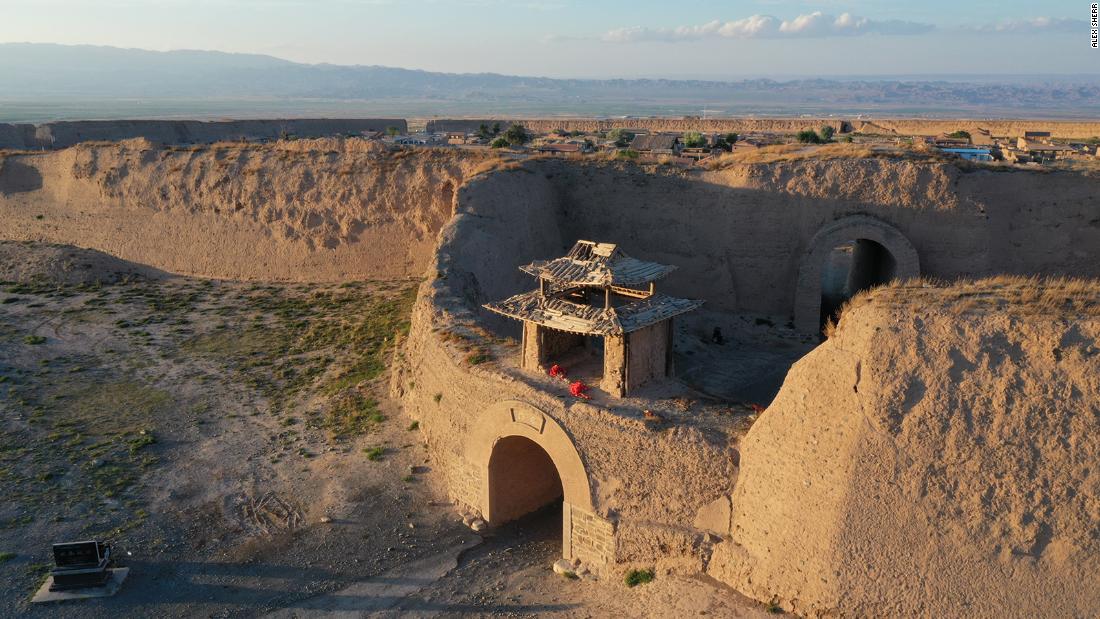
Having lived in Beijing for almost 12 years, I've had plenty of time to travel widely in China.

Bringing the second day of this year's Coachella to a close, K-Pop girl group Blackpink made history Saturday night when they became the first Asian act to ever headline the festival. To a crowd of, reportedly, over 125,000 people, Jennie, Jisoo, Lisa and Rosé used the ground-breaking moment to pay homage to Korean heritage by arriving onstage in hanboks: a traditional type of dress.

Polls opened Tuesday in Israel’s critical national election viewed as a referendum on Prime Minister Benjamin Netanyahu’s policies. Reporting from Jerusalem, FRANCE 24’s Noga Tarnopolsky explains that “the name of the game” after Election Day is whether the country’s fractious opposition, including an Arab-Israeli majority bloc, can come together to form a government.

Israelis are voting Tuesday in the first general elections since the October 7, 2023, Hamas attack with Prime Minister Benjamin Netanyahu facing a fight for political survival. The vote follows three years of regional wars, with Netanyahu running neck and neck with centrist rival Gadi Eisenkot.

French football star Kylian Mbappe was dropped by two major Chinese brands on Tuesday after a video circulated online in which he appeared to joke about former leader Mao Zedong. Energy drink giant Dongpeng and dairy producer Mengniu said they had terminated their partnerships, citing remarks that offended Chinese national sentiment.

US Trade Representative Jamieson Greer warned on Monday that a $3.4 billion European Investment Bank loan to Airbus could jeopardise a tariff truce between Washington and Brussels. Greer said his office had received no details about the financing, announced in June, and urged the EU to resolve the matter quickly.

Brazilian presidential candidate Flavio Bolsonaro said on Monday a Supreme Court justice had barred him from leaving the country after he narrowly lost to incumbent Luiz Inacio Lula da Silva. Bolsonaro, who refused to concede defeat, denounced the order as intimidation and vowed to challenge the election results.

Harry Kane became the first Englishman in 25 years to win the Ballon d’Or on Monday after scoring 73 goals for club and country last season. Spain’s Alexia Putellas claimed her third women’s award after helping Barcelona win the Champions League, ending teammate Aitana Bonmati’s three-year reign.

Europe's five main NATO members said on Monday they were ready to take greater responsibility for the continent's security while reaffirming the United States as an "indispensable ally". Defence ministers from France, Germany, Italy, Poland and Britain pledged closer co-operation with Washington after talks in Paris on strengthening Europe's defence role.

Senior officials from Saudi Arabia, Turkey and Pakistan held talks in Iran on Monday aimed at preventing renewed fighting in the Middle East, with Tehran describing discussions as “very good”. The diplomatic push, attended by Saudi Defence Minister Prince Khalid bin Salman, followed warnings from Washington, Tehran and Israel of renewed hostilities.

Pat McAfee ripped the University of Utah over an Instagram video posted before "College GameDay," pointing to the Charlie Kirk shooting 40 miles away.
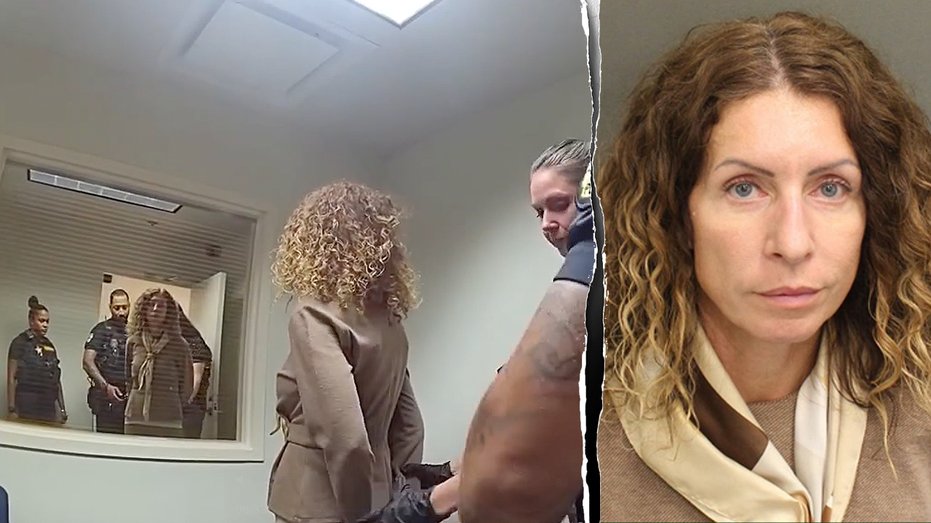
Body camera video shows deputies arresting Irene Miller at the airport after her four children were found home alone while she was in Las Vegas.

Jackson Chourio's four-hit night and Robert Gasser's historic shutout outing powered the Milwaukee Brewers to a commanding 3-0 World Series lead.

Javonte Williams rushed for 155 yards as the Dallas Cowboys topped the Philadelphia Eagles, 38-21, on "Monday Night Football" in a key NFC East clash.
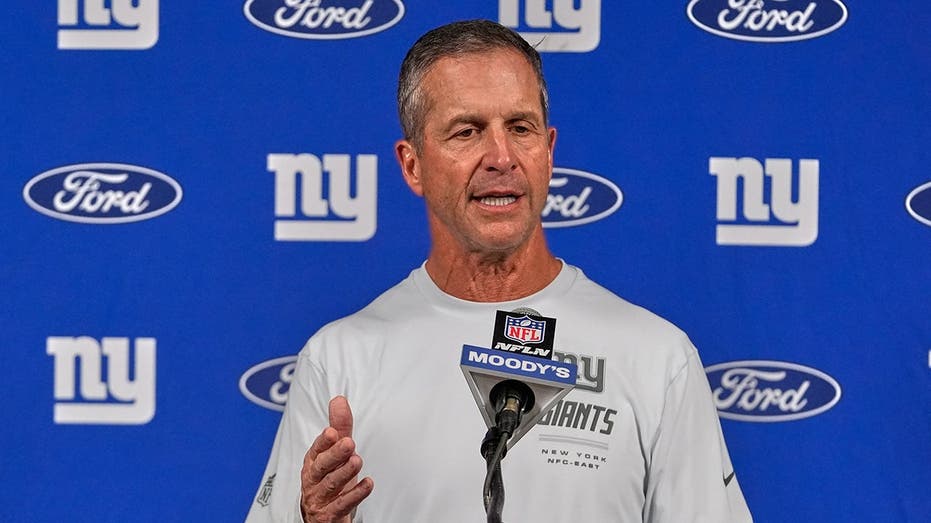
Cam Skattebo ripped the NFL over his unnecessary roughness penalty, saying he'll "play for free" if the league keeps flagging his punishing style.
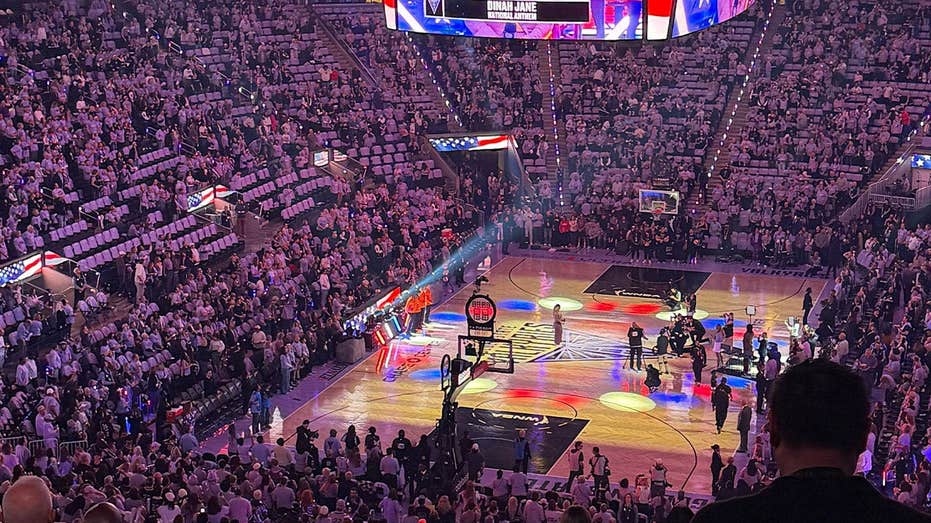
Golden State Valkyries fans face a 9:30 a.m. PT tipoff for WNBA Finals Game 6 in Atlanta due to Hawks scheduling conflicts at State Farm Arena.
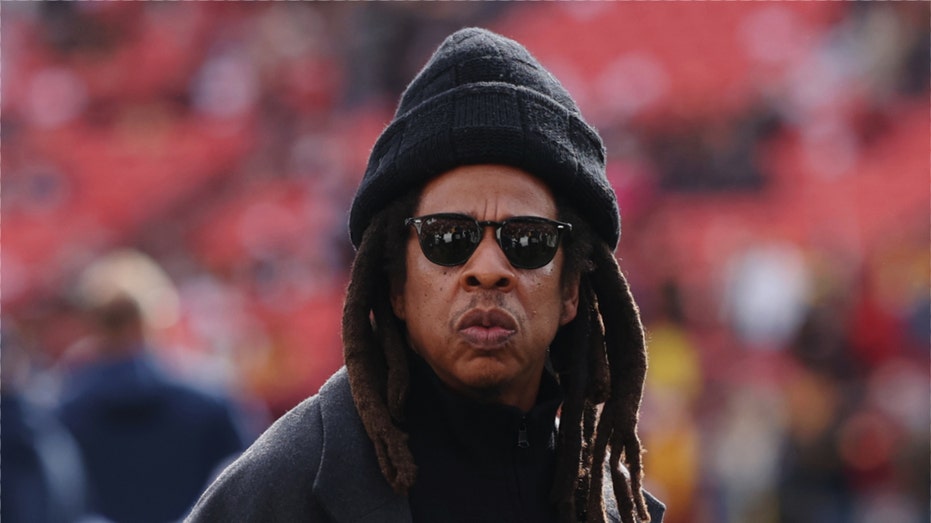
Apple Music announced Jay-Z will headline the Super Bowl LXI halftime show at SoFi Stadium in Inglewood, California, set for Feb. 14, 2027..

Brandi Kruse describes being forcibly removed from a Portland Thorns match for wearing XX-XY shirts while those who allegedly attacked stayed.
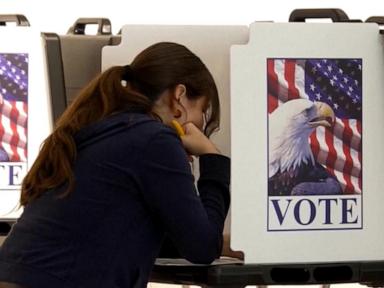
President Trump is campaigning in traditionally red states as voters worry about rising prices.
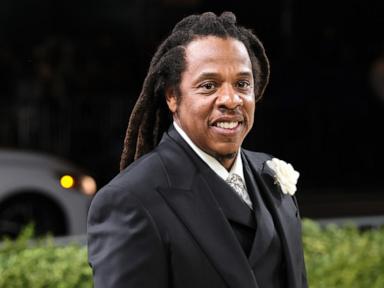
Jay-Z is taking the Super Bowl LXI halftime stage. Super Bowl LXI will take place on Sunday, Feb. 14, 2027, at SoFi Stadium in Inglewood, California.
Appeals court rejects DOJ request for immediate order demanding California segregate 20,000 mail-in ballots from those Trump administration says are likely non-citizens.

Police in Germany say stormy weather caused the ship to drift toward the dock. No one was hurt.

ABC News' Dr. Darien Sutton breaks down what you need to know about the disorder, and Paris Hilton shares more on her personal story.

A judge ruled against President Donald Trump and the DOJ over the firing of Maurene Comey from the U.S. Attorney’s Office for the Southern District of New York.
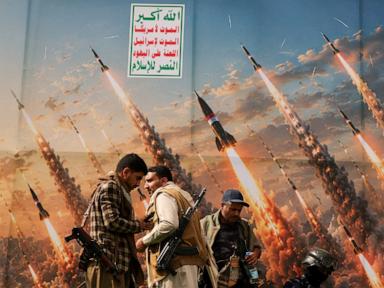
President Donald Trump announced "major combat operations" against Iran on Feb. 28.
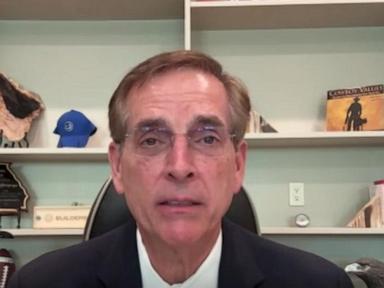
Georgia Secretary of State Brad Raffensperger discusses election security and the political battle in the Peach State as Election Day nears.

Microsoft co-founder Bill Gates says companies are being pushed to replace workers with AI. A day after his statement Microsoft offers buyout to 60,000 employees
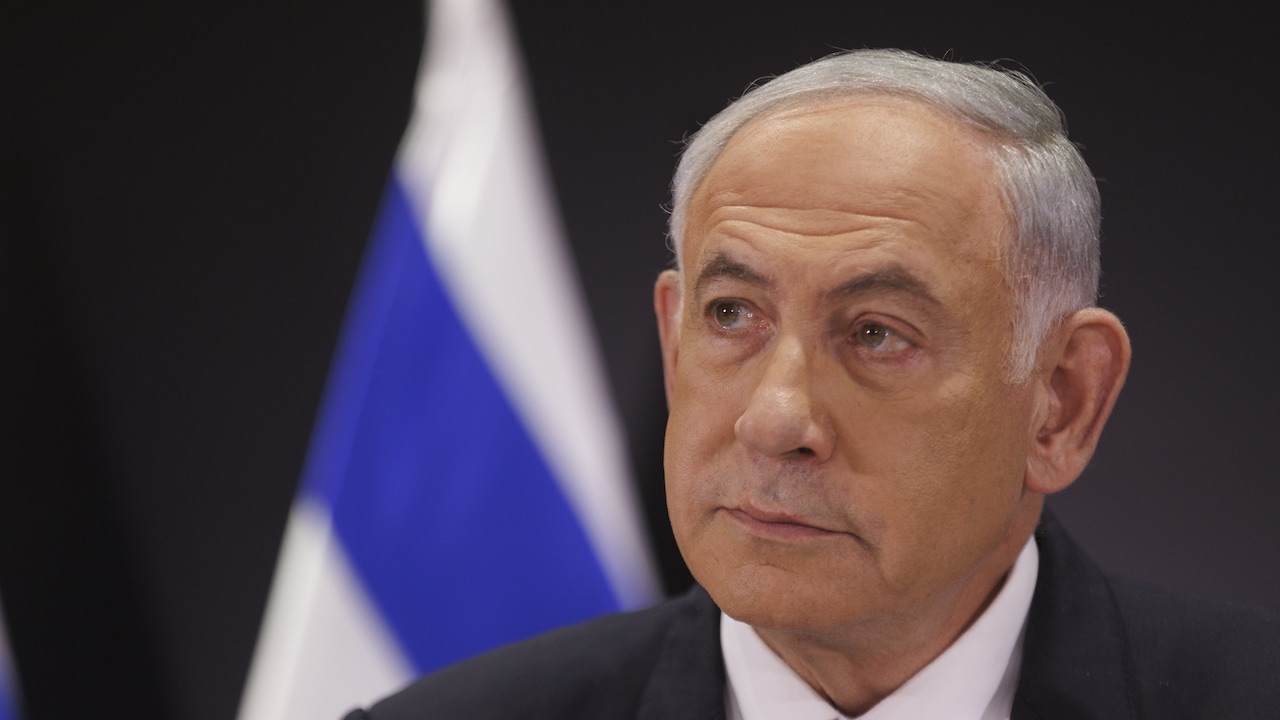
Israeli Prime Minister Benjamin Netanyahu started pushing for a separate action against Iran that fell short of an overt strike but met with resistance.
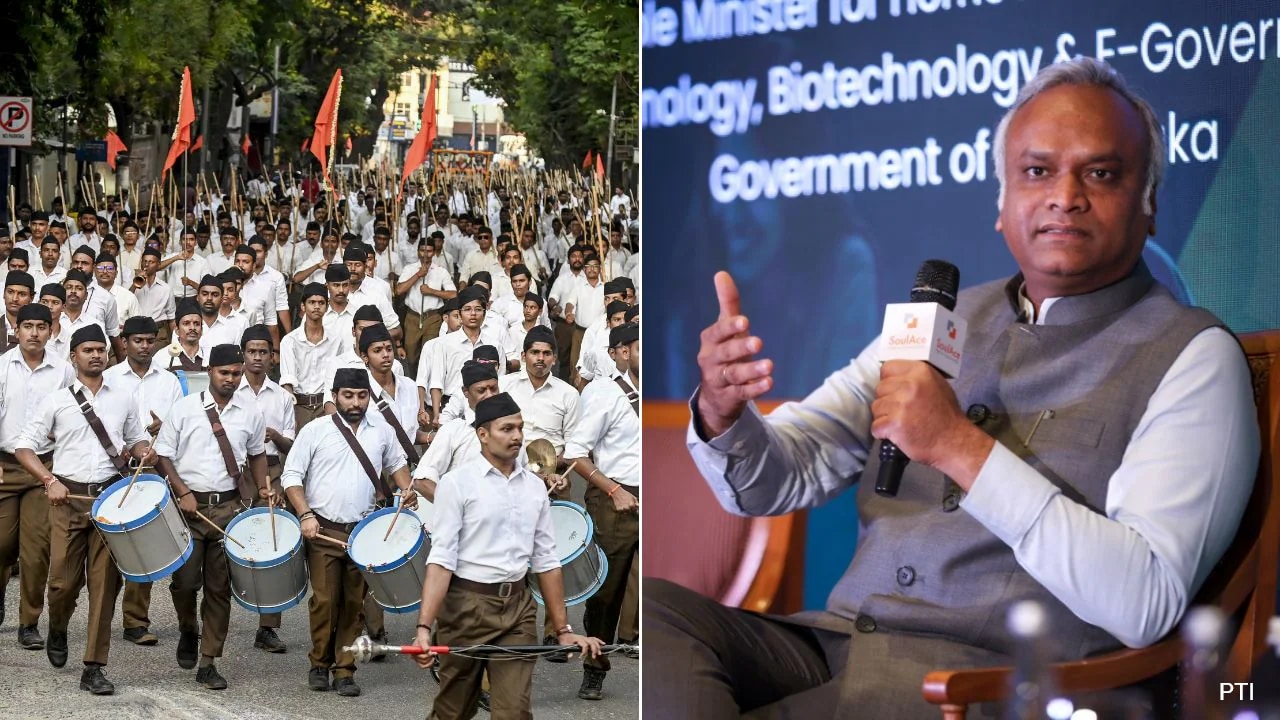
The 47-year-old Kharge accused the RSS of hobnobbing with the lobbyists in the US, who are also lobbying for Pakistan.
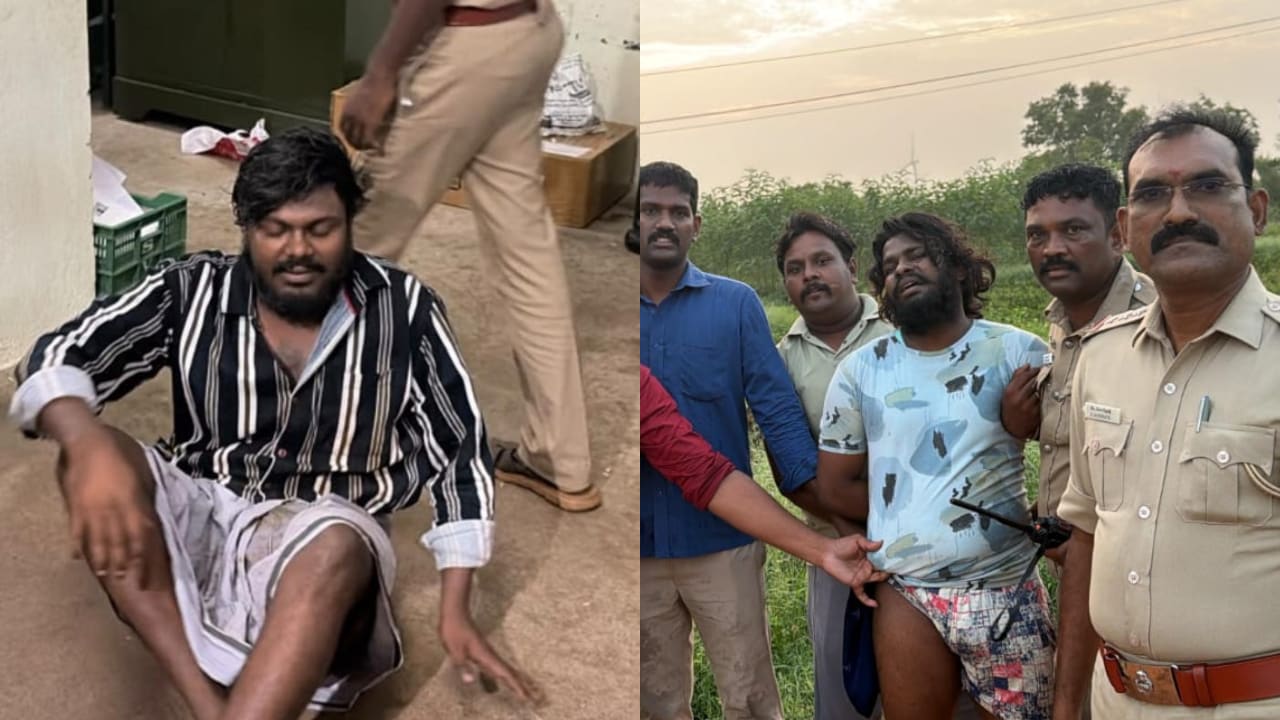
According to preliminary information, the breakout occurred after at least one of the undertrials allegedly feigned an epileptic seizure to draw prison personnel to their cell.
The agreement is a step in the government's drive towards Atmanirbharta in defence and indigenisation of defence equipment and capability.
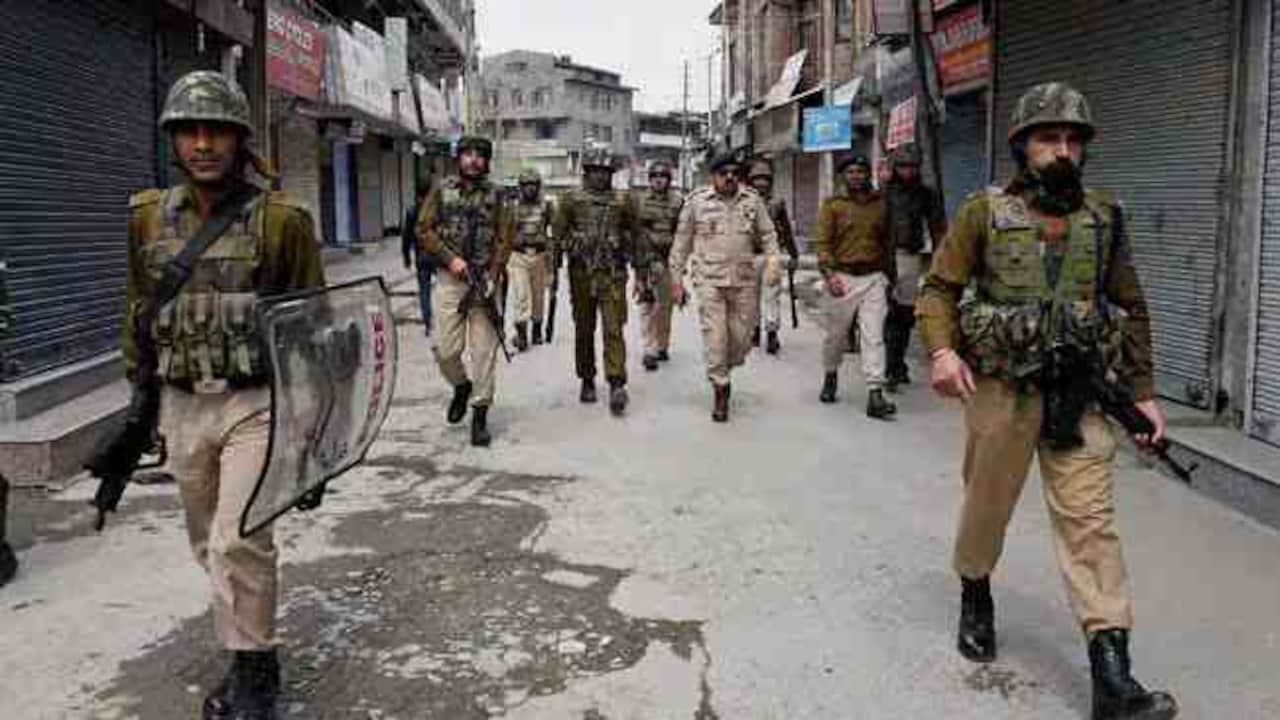
The threats were purportedly issued by terrorist groups Soldiers of Resistance and United Liberation Council. The investigation has prima facie established the commission of an offence under cyber terrorism.
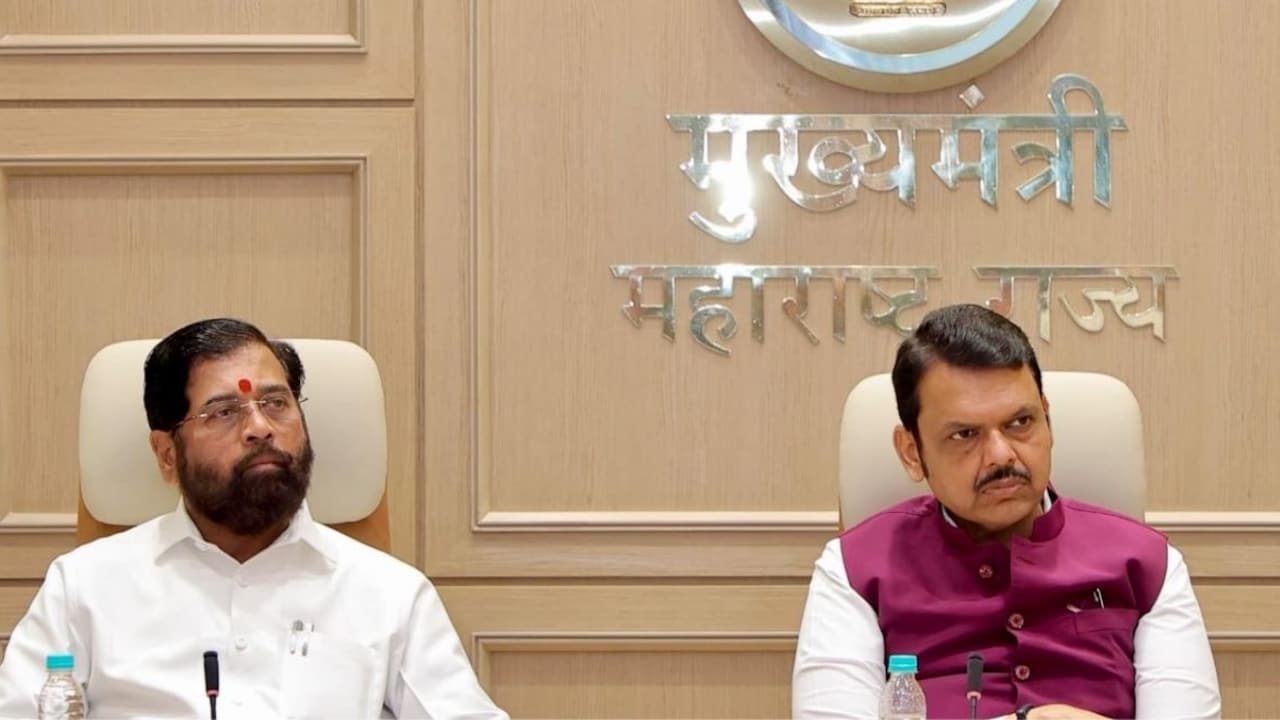
The controversial audio clip released by Maratha quota activist Manoj Jarange Patil, alleging Rs 500 crore transaction involving Deputy Chief Minister Eknath Shinde, has created serious ripples.
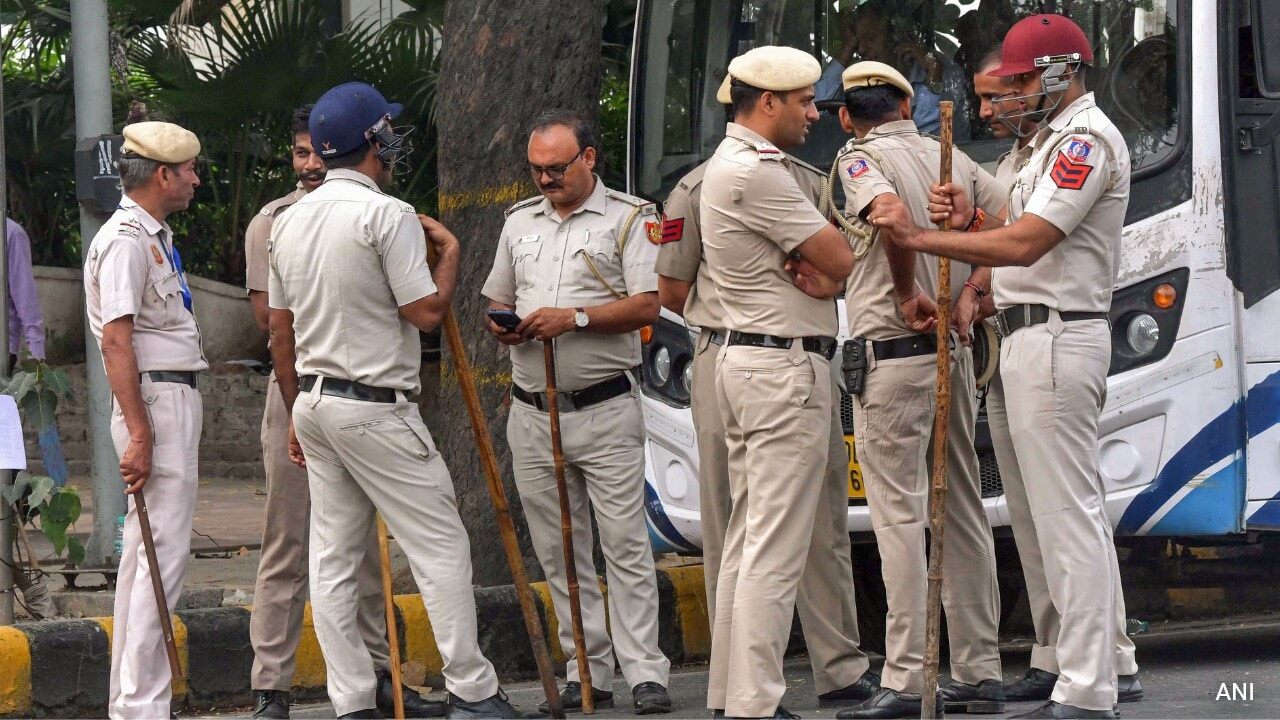
The November 1 rally by Congress-led INDIA Bloc is part of Opposition's campaign against alleged irregularities in the SIR process.
After a four-hit Game 3, Chourio is setting a new standard for young players in October.
Williams rushed for a career-high 155 yards and added a touchdown for Dallas.
Golden State's defense and 6-foot-3 center Kiah Stokes led the way in a 64-55 win for a 3-2 lead in the WNBA Finals.
The Super Bowl headliner's catalog is packed with sports references -- here are the ones that top our list.
With Hov headed to SoFi Stadium's halftime stage in Los Angeles, we revisit the breadcrumbs that might have pointed us there.
Dak Prescott threw three touchdown passes, and the Cowboys averted a three-game losing streak to keep pace in the NFC East with a 38-21 win over the Eagles.
The Brewers blew open Game 3 with an eight-run fifth inning and rolled to a 10-1 win over the Rays to move within one win of their first World Series title.
Kiah Stokes had 13 points, eight rebounds and three blocked shots -- accompanied by MVP chants -- as Golden State moved within one win of a championship in its second season.

Harry Kane wins 2026 Ballon d'Or at London ceremony as Bayern Munich striker becomes first English winner of award in 25 years.
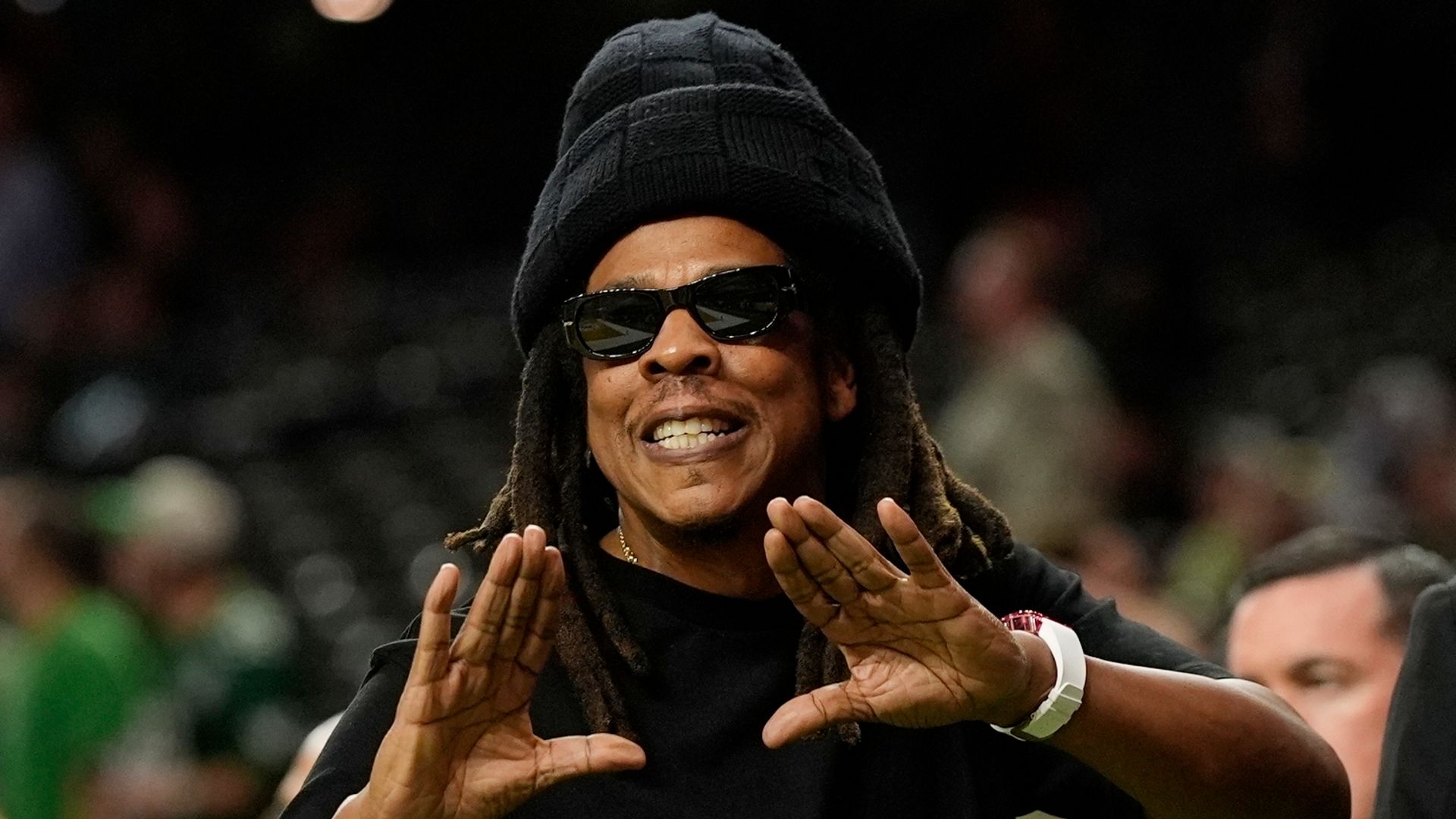
Jay-Z has announced himself as the headline act at the Super Bowl LXI half-time show in Los Angeles.
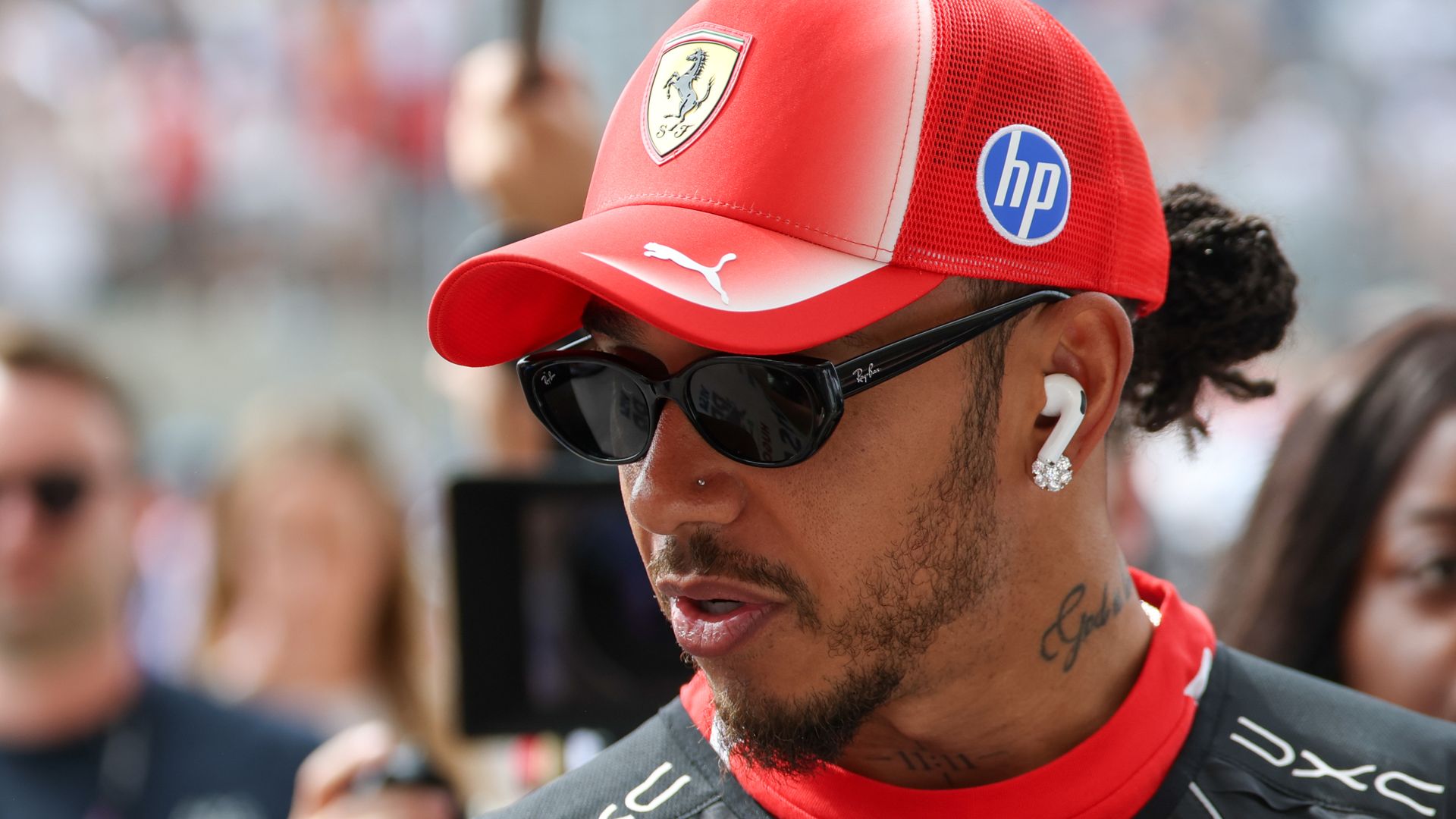
Lewis Hamilton has revealed he's "lost out" to Charles Leclerc through the set-up of his Ferrari car in recent races.

Dak Prescott threw for 212 yards and three touchdowns, two to CeeDee Lamb, as the Dallas Cowboys beat the Philadelphia Eagles 38-21 to hand Nick Sirianni's side their fifth straight loss.

From forgettable EFL loan spells to being crowned the best player in the world, it is no wonder Harry Kane’s former boss thinks of his Ballon d'Or win as a fairy tale.
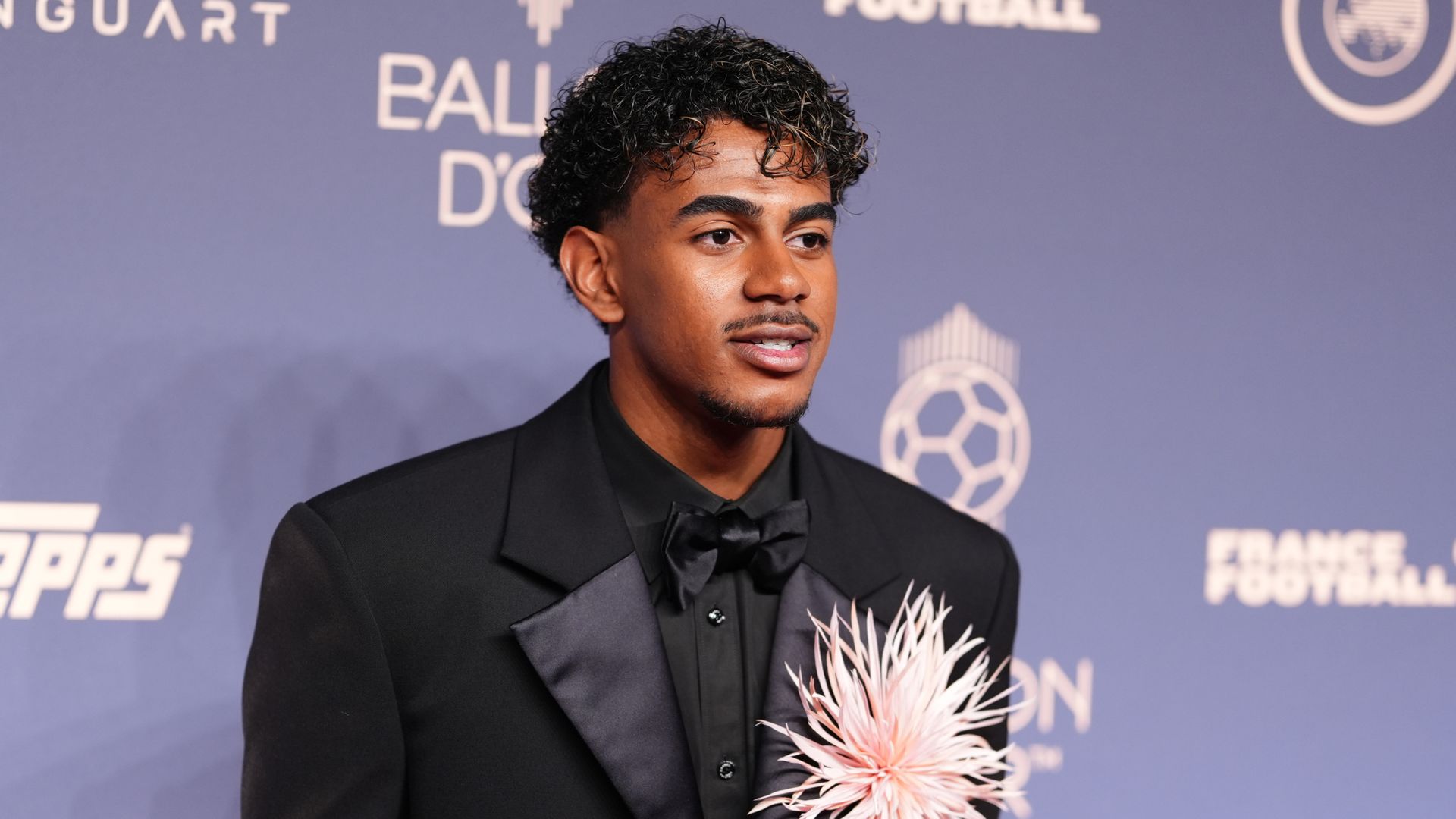

Oklahoma City Thunder star Jalen Williams will need surgery to repair a broken left fibula and dislocated left ankle after being stretchered off during their 108-101 victory over the Los Angeles Clippers.

Harry Kane has become the first English winner of the Ballon d'Or in 25 years after being honoured at a ceremony in London.


